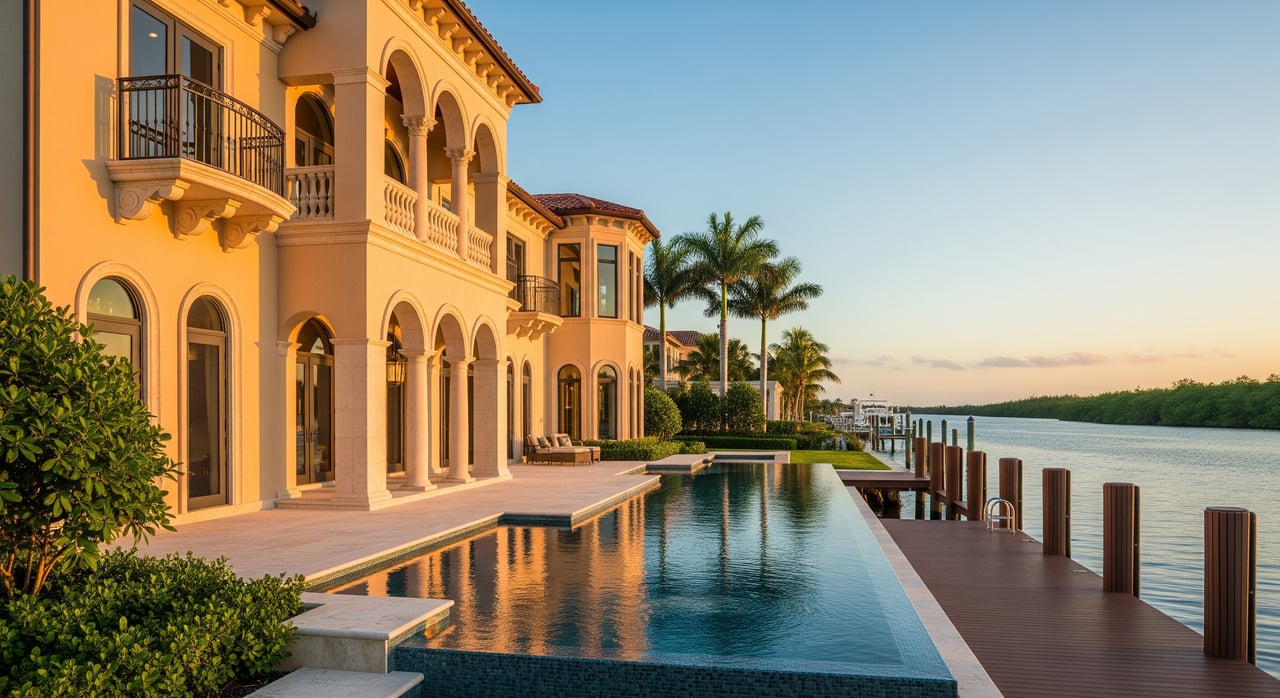
Is there really a best month to list your Boca Raton home, or is it all about how you prepare? If you are aiming to sell in the next 3 to 6 months, timing can work in your favor. Buyer demand in Boca shifts with the seasons, travel patterns, and school calendars, and that affects how fast homes sell and for how much. In this guide, you will learn when demand is strongest, how different buyer groups shop, and how to plan your listing so you launch at the right moment with the right presentation. Let’s dive in.
Why timing matters in Boca Raton
Boca Raton sits in a coastal market with clear seasonal rhythms. Demand typically builds in late fall and stays strong through early spring as seasonal residents arrive. Families often make moves in late spring and summer. Summer heat and the hurricane calendar add extra considerations for curb appeal, insurance, and closing logistics.
If you choose your listing window based on who is most likely to buy your property, you can meet buyers when they are most active. Pair that timing with strong presentation and clear pricing, and you give your listing the best chance to stand out.
Peak season: November to April
A surge of seasonal and second-home buyers shop Boca Raton from late fall into early spring. These buyers often want move-in ready properties, amenity-rich condos, and luxury or waterfront homes. When you list between November and April, you position your home in front of these active shoppers.
Inventory often tightens heading into the winter and spring months. When supply is lean and demand is higher, days on market can shorten and prices can be firmer. If your home fits the seasonal buyer profile, aim to go live in the pre-season to early season window so you are visible when searches begin.
Best fits for winter listings
- Luxury and waterfront properties where winter tourism and travel drive visits
- Turnkey condos and villas that appeal to seasonal residents
- Properties that show well in cooler, drier weather and bright winter light
Late spring and summer strategies
Families tend to plan moves around the school calendar. If your home sits in a neighborhood favored by year-round residents, listing in late spring or early summer can capture these buyers. The goal is to secure a contract that closes during summer break.
Summer months can bring more listings to market, which means more competition for attention. That is not a dealbreaker. It simply means your pricing, staging, and marketing should be sharp, and your agent’s launch plan should build momentum quickly.
Best fits for spring and early summer listings
- Single-family homes with yards and nearby parks
- Homes that benefit from longer daylight for evening showings
- Properties where school-year timing helps the buyer’s move
Hurricane season and closing windows
Hurricane season runs June 1 to November 30. Many sellers prefer to avoid closings in the peak months of August through October because storms can disrupt insurance, travel, and timelines. If you list during summer or early fall, you can still succeed. Just be intentional about target closing dates and build in buffers for insurance or association paperwork.
Florida closings often take 30 to 60 days. Use that window to plan around storm risk where possible. A clear strategy keeps your transaction on track even if weather intrudes.
Match timing to your likely buyer
Different buyer groups shop on different calendars. Start by deciding who is most likely to buy your home, then select a listing window that meets them where they are.
Seasonal and second-home buyers
- Most active from November to April
- Often prioritize turnkey condos, villas, and luxury properties
- List in October through January to catch early searchers and peak traffic
Relocating and move-up families
- Prefer late spring and summer to align with school schedules
- Often look for single-family homes with outdoor space and nearby recreation
- List in March through June to set up a summer closing
Local buyers and investors
- Shop year-round, sensitive to interest rates and rents
- Investors may move quickly when numbers work
- Listings can perform in any season with the right price and presentation
A 3–6 month listing plan that works
Use this step-by-step plan to prepare with confidence and launch into the right window for your home and buyer.
3–6 months out: strategy and repairs
- Meet a local agent for a comparative market analysis and timing guidance focused on your neighborhood.
- Choose your target buyer and ideal listing month based on seasonal demand and your goals.
- Order a pre-listing inspection if you want clarity on repairs. Address high-impact items such as roof, HVAC, plumbing, and any moisture or pest issues.
- For condos and HOA communities, start gathering association documents early. Some associations require extra lead time.
- Collect warranties, permits, appliance manuals, and recent utility bills to streamline disclosures.
6–8 weeks out: presentation and pricing
- Declutter, depersonalize, and deep clean. Complete light updates such as paint, hardware, lighting, and fresh caulk.
- Improve curb appeal. In summer, prioritize irrigation, fresh mulch, and tidy hedges. In winter, highlight outdoor living with staged patios and clean windows.
- Coordinate professional photography and, if relevant, twilight or lifestyle shots that showcase proximity to water or parks.
- Finalize pricing with your agent using comparable sales from the same season. Set a go-to-market plan for your first two weeks.
2–4 weeks out: market launch
- Prepare seller disclosures and review any required Florida or association forms.
- Schedule photos, floor plans, virtual tours, and lockbox access. Confirm open house dates.
- Pick a mid-week launch to build exposure into the weekend. Your agent will advise on the best day for your area.
- Set an offer review plan and feedback process so you can act on market response quickly.
Contract and closing timing
- Avoid closing dates that fall in peak storm months when possible.
- For family buyers, aim for a summer close that supports their move.
- Expect 30 to 60 days from contract to close. For condos, allow for association estoppel timelines.
What to watch before you list
Track a few local signals as you approach your target date. Small shifts can tell you whether to hold your plan or adjust by a few weeks.
- Active inventory and months of supply. Lower supply usually favors sellers, while rising supply can mean more competition.
- Recent comparable sales in your micro-neighborhood. Try to compare against same-season sales.
- Days on market and list-to-sale price ratios for your ZIP code.
- Mortgage rate trends and buyer affordability. Rate dips can unlock demand, while rate spikes can slow traffic.
- New listings per week and absorption rates. Sudden spikes may suggest moving your launch by a week or sharpening pricing.
- Insurance costs and flood zone updates if you are near the coast. Stay ahead of any changes that could affect underwriting or buyer budgets.
Neighborhood and property nuances
Boca Raton includes a mix of waterfront estates, gated communities, suburban single-family neighborhoods, and condo corridors. Your property type shapes your listing window.
- Condos and villas: Often see strong winter demand from seasonal residents and investors. Start association paperwork early to avoid delays.
- Single-family homes: Often align with late spring and summer for families. Presentation, schools, parks, and commute routes matter to these buyers.
- Luxury and waterfront: Track the winter calendar and international travel patterns. These segments tend to be most active from late fall through spring.
Pricing and presentation still win
Seasonality helps, but price and presentation are your daily levers. A well-staged, professionally photographed home that is priced to the market can outperform the season. If you must list during a slower window, lean into presentation and marketing to create urgency.
- Stage key spaces such as the living room, kitchen, primary suite, and outdoor living areas.
- Use high-impact visuals. Bright, clean images and floor plans increase online engagement.
- Launch with a clear marketing plan including open houses, targeted digital exposure, and prompt follow-up on showings.
Putting it all together
If you want to capture seasonal buyers, aim to list from November to April, ideally near the start of the season. If your home appeals to families, March through June often syncs with summer closings. If you are selling in summer or early fall, focus on standout presentation, careful pricing, and thoughtful closing dates that work around storm risk.
When you combine the right window with a polished launch plan, you give yourself more showings, stronger offers, and a smoother path to closing.
Ready to plan your sale with a timeline, staging plan, and pricing strategy tailored to your neighborhood? Connect with Crystal Brooke Bachmann for a custom listing plan or to get your instant home valuation.
FAQs
When is the best time to list a condo in Boca Raton?
- Winter months, especially November through April, often attract seasonal residents and investors who prefer turnkey condos, so aim to launch before or early in that window.
What if I need to sell during hurricane season?
- You can still succeed by optimizing price and presentation, building in extra time for insurance or HOA items, and targeting a closing date outside August through October when possible.
How far in advance should I start HOA paperwork for a condo sale?
- Start within your 3 to 6 month prep window, since some associations need several weeks for estoppel certificates and document requests.
Is late spring better for single-family homes?
- Often yes, because families try to move in summer, but results depend on your neighborhood, pricing, and how well your home shows.
How long do Boca Raton closings usually take?
- Many Florida closings take 30 to 60 days from contract to close, and condos may need extra time for association approvals and documents.