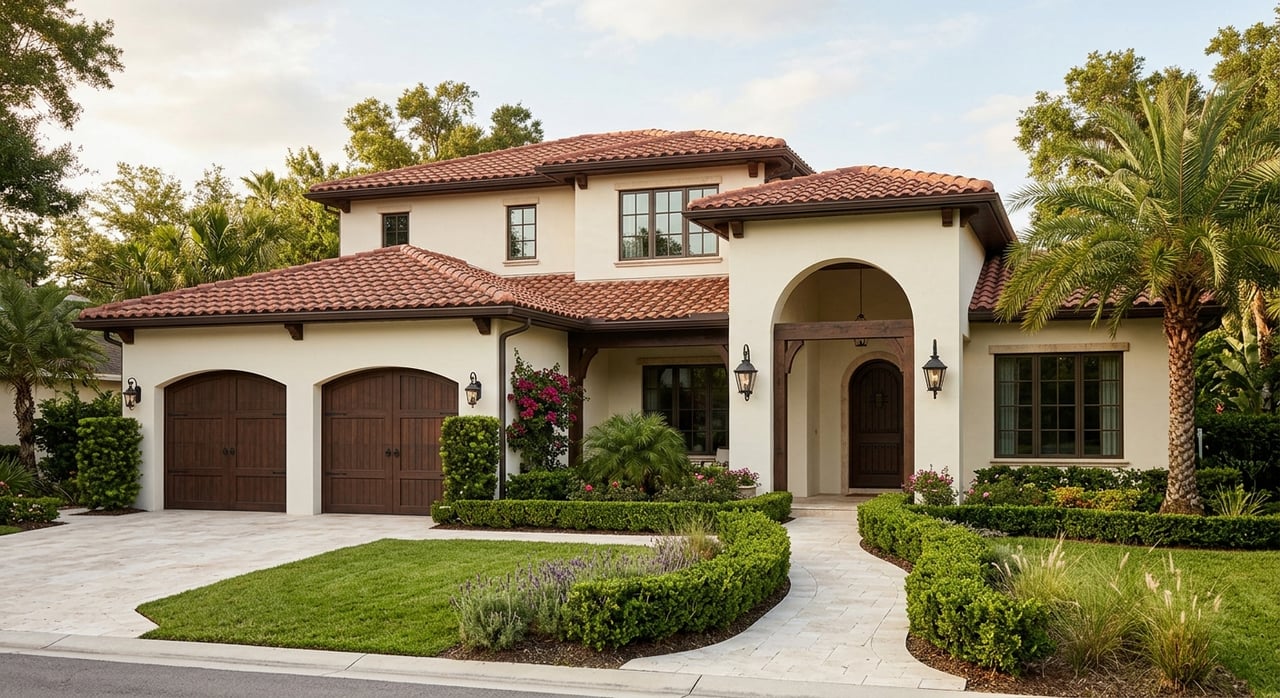
Thinking about buying in Wellington and torn between a shiny new build and a well‑loved resale? You are not alone. As a move‑up buyer, you are balancing timing, costs, and lifestyle. In this guide, you will learn how new construction and resale compare on timelines, warranties and inspections, HOA and CDD fees, and total cost of ownership in Wellington and greater Palm Beach County. Let’s dive in.
Wellington basics for buyers
Wellington is a planned suburban community in Palm Beach County with an equestrian lifestyle, family amenities, and a range of gated neighborhoods. You will find single‑family homes, townhomes, and estate properties, plus master‑planned communities with pools and parks. Commute access to West Palm Beach, Boca Raton, and major highways helps shape where you focus. As a move‑up buyer, yard size, community amenities, and neighborhood rules often drive your decision.
Timeline: new build vs resale
Resale homes usually close faster if your financing is ready. A common window is 30 to 60 days from contract to closing, depending on loan, appraisal, inspections, and title.
New construction depends on the type of home. • Spec or inventory homes can close on a resale‑like timeline once they have a certificate of occupancy. • To‑be‑built homes commonly take 4 to 12 months or more, depending on permitting, lot prep, supply chain, and build complexity. Local permitting and inspection schedules in Palm Beach County and the Village of Wellington can extend timelines, so build in buffers if you are targeting a move tied to the school year or a lease end.
Financing differences to expect
Resale purchases typically use conventional, FHA, or VA loans with standard contingencies. You will negotiate repairs and credits after inspections as needed.
New construction offers multiple paths. Inventory homes often use standard mortgages. To‑be‑built homes may require construction‑to‑permanent financing with draw schedules and inspections. Builders often package incentives with their preferred lenders, so compare total costs, interest rate buydowns, and fees across options before you commit.
Warranties and inspections
Many builders follow a 1‑2‑10 warranty pattern: one year for workmanship and materials, two years for major systems like HVAC, plumbing, and electrical, and ten years for structural elements. Coverage varies by builder and any third‑party warranty administrator. Always read the warranty to see exclusions, transfer rules, and how claims work.
Even new homes benefit from independent inspections. Consider an inspection during framing or pre‑drywall and again before closing to build a punch‑list and avoid disputes later. Florida has specific processes for construction defect claims and licensing rules for contractors. Verify your builder’s license and complaint history and keep good records of all communications and warranty requests.
HOA, POA, and CDD fees
Expect association governance in many Wellington communities. Some neighborhoods have a master association plus sub‑associations, each with separate dues and rules. New communities often start under developer control until a turnover trigger in the governing documents is met.
Budget for ongoing dues and the possibility of special assessments. In Florida, CDD fees are common in newer master‑planned communities. These public districts finance infrastructure and the fees appear on your property tax bill. Ask for the current CDD assessment, how long it runs, and any future changes. For any HOA or POA, review the budget, reserves, CC&Rs, rental and architectural rules, and any pending litigation before you buy.
Total cost of ownership
Price is only part of the story. New construction can carry a premium, but incentives like closing cost credits, upgrades, or rate buydowns may change your out‑of‑pocket. Resale homes may offer more space or lot value for the dollar, yet could need immediate updates.
- Property taxes: Newer homes may be assessed higher at first. Florida’s Save Our Homes cap helps limit future increases on homesteaded properties after you file, but confirm expected initial assessment and timing.
- Insurance: Florida windstorm and hurricane risks affect premiums. Newer homes may include impact windows and stronger connections that can reduce premiums. Location still matters, including flood zones.
- Flood insurance: FEMA flood zone designations guide flood coverage needs and costs. Ask for elevation information and get quotes early.
- HOA and CDD: Add dues and assessments to your monthly budget. Compare communities side‑by‑side.
- Maintenance and utilities: Newer systems can mean lower early maintenance and better energy efficiency for the first several years. Older homes might need roof, HVAC, plumbing, or electrical work sooner.
Negotiation and incentives
Builders commonly offer incentives, especially on inventory homes or near fiscal quarter and year ends. You might see closing cost contributions, upgrade packages, price adjustments, or mortgage rate buydowns. Get every concession in writing and understand how it affects your appraisal and loan approval.
For resale, you have room to negotiate price, repairs, or credits after inspections. Make sure appraisal contingencies, repair terms, and timelines are clear so you can keep your move on track.
The role of a buyer’s agent
An experienced local agent helps you compare effective costs across neighborhoods and builders, request the right HOA documents, clarify CDD assessments, and coordinate independent inspections. With new construction, your agent can help you evaluate contract timelines, change‑order rules, warranty language, and any liquidated damages or completion credits. With resale, your agent manages inspections, negotiations, and closing logistics so you can move with confidence.
Practical checklist for move‑up families
Use this quick list to stay organized.
- Pre‑search: Confirm commute needs, desired school zones, and minimum bedroom and lot size. Set your required move date.
- For any property: Verify flood zone, get insurance quotes, and compare recent sales to validate price. Confirm utility providers and typical monthly costs.
- New construction: Identify spec vs to‑be‑built. Get the timeline in writing. Request full warranty documents and ask if coverage transfers. Review HOA and CDD details, including budgets and assessment schedules. Clarify what the builder finishes post‑closing, like landscaping or window coverings. Compare preferred lender incentives against outside quotes.
- Resale: Order full inspections, including roof and pest. Review HOA documents, any estoppel letter, reserves, and pending assessments. Verify ages of roof, HVAC, water heater, and major systems.
- Negotiation and financing: Compare total monthly cost, not just price. Confirm appraisal contingency terms and how incentives appear on your contract and closing disclosure.
- Post‑contract: Schedule independent inspections, keep a punch‑list, and save all warranty communications and dates.
Which option fits your goals?
If your top priority is move‑in timing, a resale or a completed spec home often wins. If you want modern systems, energy efficiency, and lower near‑term maintenance, a new build can be a great fit, as long as you plan for potential delays and factor in HOA or CDD fees. In Wellington, local details like flood zone, commute, and association rules can outweigh the new versus resale label.
When you want a clear, side‑by‑side plan for your family’s next move, reach out for concierge guidance. Let us help you compare real options, coordinate inspections, and negotiate smartly so your timeline stays intact. Connect with Crystal Brooke Bachmann to get local, one‑on‑one advice.
FAQs
Are new homes cheaper to insure in Wellington?
- Not automatically. Newer hurricane protections may reduce premiums, but location and market conditions drive costs, so get quotes for each property.
How long does a Wellington resale closing take?
- Many resales close in about 30 to 60 days, depending on financing, appraisal, inspections, and title work.
What are CDD fees in Florida new communities?
- CDDs finance community infrastructure and appear on the property tax bill, so confirm current assessments and the remaining term before you buy.
Can I negotiate with builders in Palm Beach County?
- Yes, especially on inventory homes or near fiscal deadlines, though incentives vary by builder, so get every concession in writing.
When does a new community HOA transfer to owners?
- Turnover depends on the governing documents and developer rights, so review the CC&Rs and budget to understand timing and limits.
What happens if a builder delays my new‑build closing?
- Your contract should outline remedies, including liquidated damages or completion credits and what counts as substantial completion, so negotiate clear terms up front.