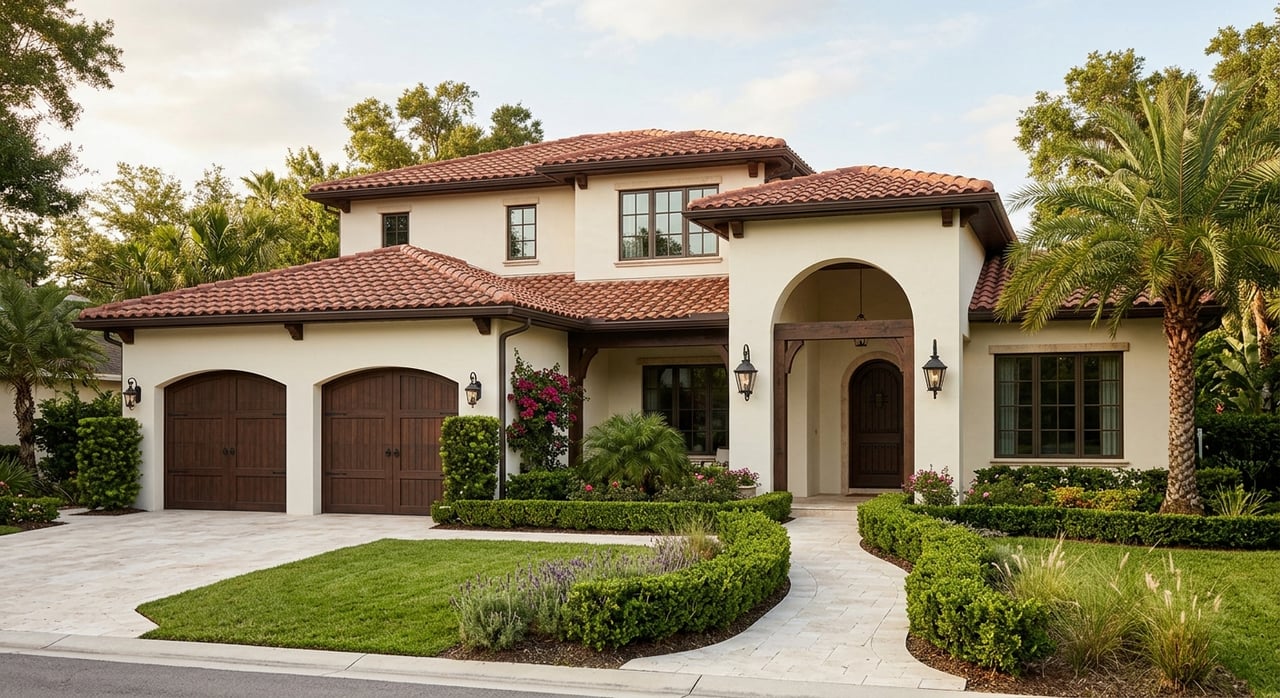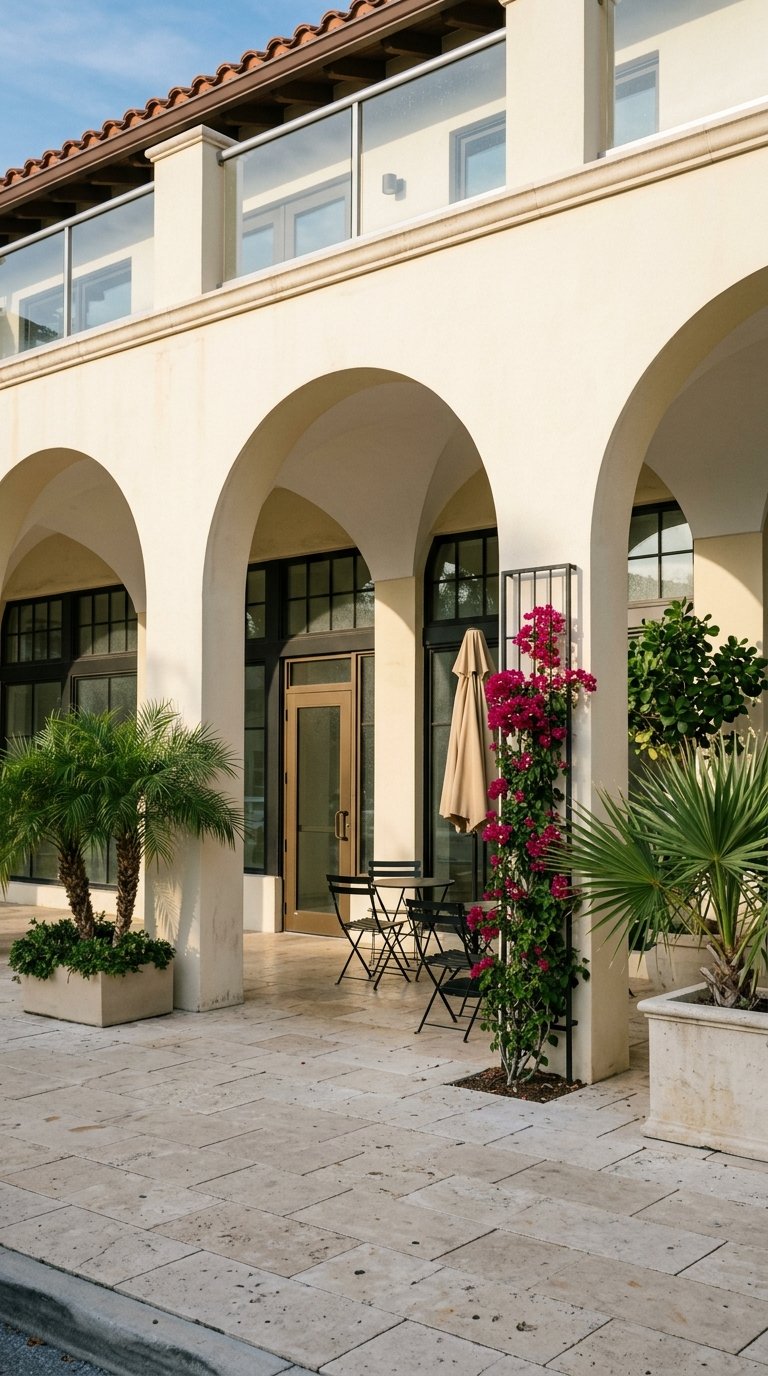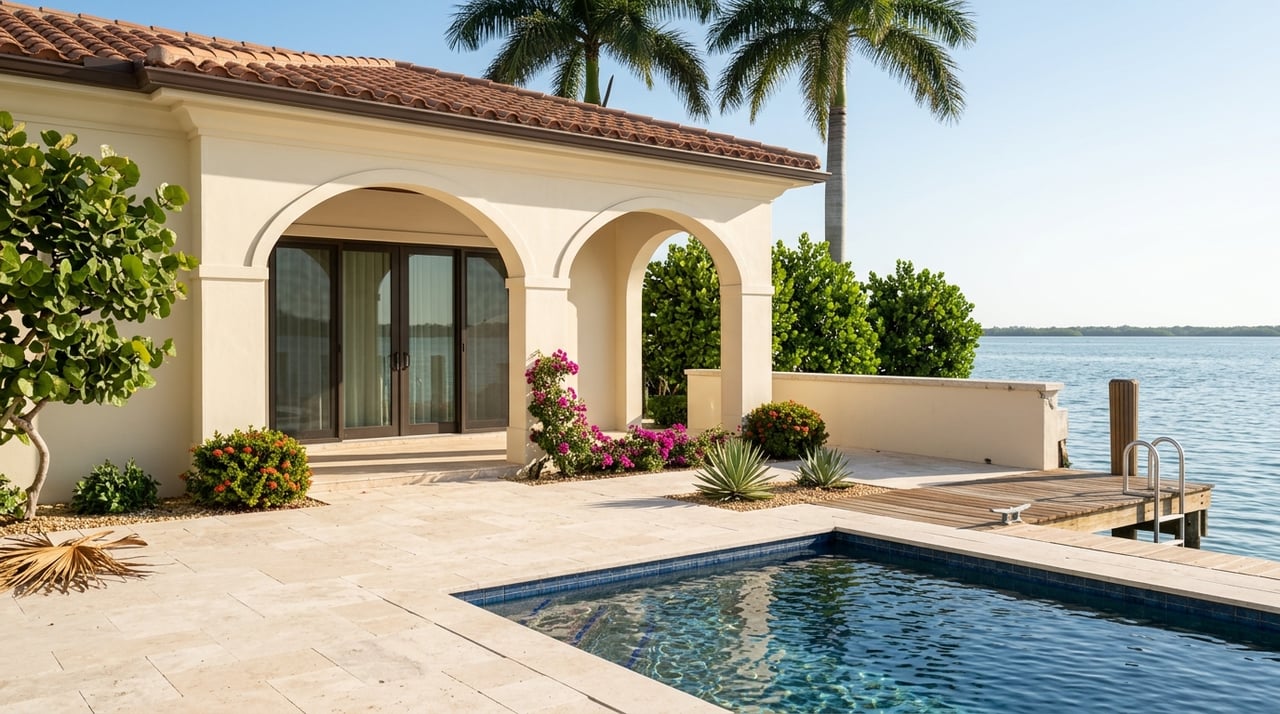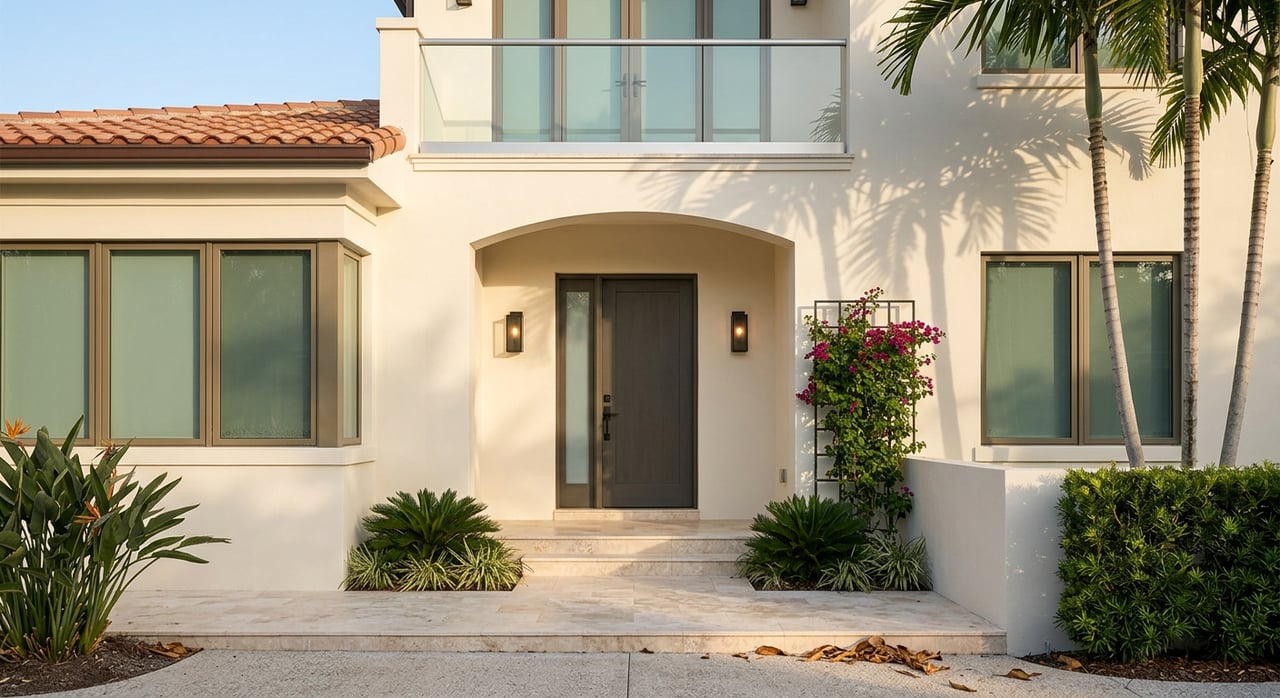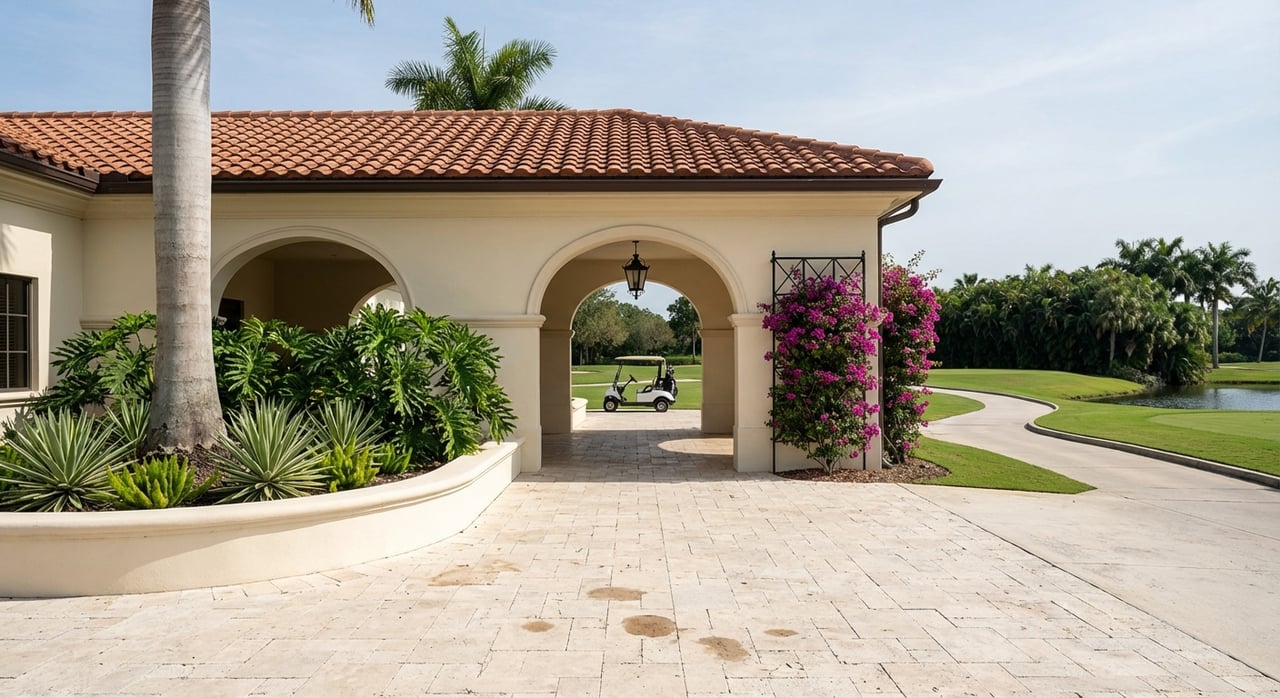
Trying to choose between the buzz of a resort course and the quiet of a private club? If you are eyeing a golf home in Palm Beach Gardens, you have options that feel very different once you live there day to day. In this guide, you will learn how local golf communities compare, what memberships and fees really look like, and the due diligence steps that protect your budget. Let’s dive in.
Golf life in Palm Beach Gardens
Palm Beach Gardens sits in the PGA corridor of northern Palm Beach County, and it blends resort energy with classic, member-focused clubs. The city’s population is roughly 63,284, which gives it a mid-size feel with strong amenities and services. You will find buyers ranging from local move-up households to seasonal second-home owners, with winter bringing more out-of-town activity. For pricing context, Zillow’s Home Value Index places the typical home value around the mid-600s, while recent MLS-based median sale prices have trended higher, so use neighborhood-level comps for specifics.
- City snapshot: U.S. Census QuickFacts
- Pricing context: Zillow Home Value Index
Community types and lifestyles
Different club formats deliver different daily rhythms. Here is how the main types in Palm Beach Gardens usually feel when you live there.
Resort-scale complexes
PGA National is the local headliner with multiple championship courses, on-site dining and a spa. You get variety and services, plus tournament energy that draws visitors, especially during big events. Housing around PGA National ranges from condos and townhomes to single-family options. This suits you if you want amenities in one place and do not mind guest traffic at peak times. Learn more about the local golf scene around PGA in this overview from Palm Beach County sports tourism.
Member-owned clubs
BallenIsles represents the classic, multi-course, member-owned experience. Expect active tennis and pickleball programs, fitness, and a steady social calendar. If you want a club-forward routine with organized leagues and events, this format fits well. Review membership categories and facilities directly on the BallenIsles membership page.
Developer-built clubs with tied memberships
In communities like Mirasol and Frenchman’s Reserve, membership is often associated with the home. Specific homes convey specific tiers, and some categories can have wait lists for full golf upgrades. If you want clear family-friendly programming and predictable community events, these communities tend to run a structured calendar. Always verify what membership tier conveys with the property by checking the Mirasol membership overview.
Ultra-private estate clubs
Old Palm and Old Marsh are known for privacy, low membership counts, estate lots, and white-glove service. These clubs aim at buyers who want exclusivity, larger homesites, and a quieter, concierge experience. Initiation fees are often at the very high end of the market and can change quickly. If privacy is your top priority, start here and confirm availability early.
Memberships and fees 101
Before you fall in love with a view down the fairway, get clear on how clubs structure membership and costs. A little homework here prevents surprises later.
Key membership formats
- Equity membership: You contribute an equity or refundable portion, sometimes repaid on resignation or resale subject to club rules.
- Non-equity membership: You pay an initiation fee that is usually nonrefundable, with lower upfront cost but no equity feature.
- Hybrid models: Many clubs blend refundable and nonrefundable components, plus dues and minimums. For a plain-English overview of these models, see this explainer on equity vs. non-equity clubs.
Mandatory vs. optional
Some communities require an owner to hold a specific membership tier as a condition of ownership. Others allow you to live in the neighborhood without joining the club. In developer-built clubs, confirm in writing which homes convey which categories and whether upgrades are available. The Mirasol membership page is a good example of how categories are tied to homes.
What to budget
Every club sets its own schedule, and fees change. Typical line items include:
- Upfront initiation or equity contribution
- Transfer or processing fees at closing
- Recurring dues, billed monthly or annually
- Food and beverage minimums
- Cart, trail and guest fees, locker fees, lessons and tournament charges
- Capital assessments for club or course projects
Illustrative ranges reported for Palm Beach County show initiation fees from low five figures for social or sports tiers to mid-five or six figures for full golf. At the ultra-luxury level, initiation can climb higher. Annual dues commonly range from a few thousand dollars for limited tiers to the mid tens of thousands for full golf at top clubs. Industry reporting also notes a multi-year rise in buy-ins at high-end clubs, which affects affordability and demand. For macro context on rising fees, see this Financial Times report on private club trends.
Sample buyer budgets
Use these illustrations to frame your first-year costs. Always replace with the live fee sheet and estoppel for the specific property.
Scenario A: full-time single-family home, private club
- Initiation or equity: 50,000 to 300,000+ depending on club and tier
- Annual dues: 10,000 to 40,000 for full golf tiers at higher-end clubs
- HOA or POA fees: 200 to 2,000+ per month depending on product type
- First-year extras: food and beverage minimums, cart fees, one-time capital contributions, homeowners insurance and flood insurance if required
What this means: Compare the initiation, dues and HOA on one worksheet so you can see the true annual carry. Ask whether any portion of the initiation is refundable on resignation.
Scenario B: second home condo near PGA National
- Membership may be optional depending on the building or sub-association
- Budget for condo HOA, master policy allocation and an HO-6 interior policy
- Price flood coverage if the building or unit is in a Special Flood Hazard Area
- If you plan seasonal rentals, confirm leasing minimums and caps in writing
Legal and financing essentials in Florida
Florida’s association and condo rules create clear timelines and disclosures. These points can protect your deposit and your financing.
- Condominium resales: Florida Statutes Chapter 718 outlines the documents a condo buyer must receive and includes a three-day voidability clause. Ask for the declaration, bylaws, rules, year-end financials and the official FAQ. Read the statute here: Florida Condominiums, Chapter 718.
- HOA estoppel: Associations must issue an estoppel certificate within a set timeframe that states assessments, arrears and transfer fees. Use it to confirm what is due at or after closing. See the rules in Florida HOA Statutes, Chapter 720.
- Condo project lending: Lender eligibility can depend on project approval, delinquency rates, insurance terms and investor concentration. Ask your lender to review project status early for conventional programs.
- Flood and wind risk: Flood maps and master insurance choices affect premiums, financing and special assessments. Check your address on the FEMA Flood Map Service Center, then review the association’s master policy, wind or hurricane deductibles, and any claims history.
Due diligence checklist
Request these items before you sign or as a contract condition. Build your budget and contingencies from the documents, not assumptions.
- Association estoppel certificate with the effective date and all amounts due, including transfer and special assessments, per Florida Chapter 720
- Most recent annual budget, any available monthly or quarterly financials, and the reserve study
- CC&Rs, bylaws, house rules and amendments, plus the condo documents listed in Florida Chapter 718 for condo resales
- Membership contract and fee schedule that clarify initiation, refundability, transfer rules, wait lists and guest policies, plus whether membership is mandatory for that parcel
- Any recorded documents indicating developer rights, recreational leases or third-party interests in club facilities
- Insurance master policy declarations, deductible structure and any recent claims
- Board meeting minutes for the last 12 months, disclosures of pending litigation and management contracts
- Written rental policy including minimum lease terms, caps and enforcement actions
Red flags to investigate
- Low reserves or repeated special assessments in recent years
- Estoppel showing large delinquencies, transfer fees you did not budget, or pending assessments
- Master policy with very high wind or hurricane deductible that could impact financing or trigger assessments
- Membership contract with unclear refund terms or restrictions that delay transfer
Tee times, seasons and social life
Peak season demand shapes how a club feels. Ask how resident owners, equity members and outside guests book tee times during high season. In resort-scale settings, expect more visitor traffic during events and holidays. In member-owned clubs, social leagues and tournaments often fill the calendar, which many buyers see as a plus.
How to choose your best fit
Use lifestyle first, then layer in budget and rules.
- Choose resort-scale if you want amenities in one place, spa and dining on site, and are comfortable with seasonal guests.
- Choose member-owned if you want a club-forward routine with strong racquet sports and a steady social calendar.
- Choose developer-built tied membership if you like predictable programming and know which category you need now with a plan to upgrade later.
- Choose ultra-private estate if privacy, space and a capped membership are worth higher initiation.
A simple buying timeline
- Week 1: Match lifestyle to community type and shortlist homes. Pull comps for each sub-neighborhood and gather the latest club fee schedule.
- Week 2: Run the address on FEMA flood maps and request insurance quotes. Ask your lender to review condo or project approval early if you are financing.
- Contract: Make the deal contingent on receiving the estoppel, association documents and written confirmation of the membership category and transfer terms. Include a financing contingency if project status could affect loan options.
- Pre-closing: Verify the estoppel cutoff date, settle any assessed amounts per contract, and schedule the membership orientation or interview if required.
Local clubs at a glance
- PGA National: multi-course resort, broad housing mix, event energy. See a county-level overview of marquee courses via Palm Beach County sports tourism.
- BallenIsles: member-owned with golf, racquet sports and an active social slate. Review categories on the BallenIsles membership page.
- Mirasol and Frenchman’s Reserve: developer-built clubs with membership tied to the home. Confirm category transfer on contract using the Mirasol membership overview.
- Old Palm and Old Marsh: ultra-private estate clubs focused on privacy and service. Confirm availability and current buy-ins directly with each club.
Ready to compare options, fees and neighborhood rules side by side? Reach out and get a tailored short list with live fee sheets, estoppels and insurance checks. When you want a concierge, one-on-one experience, connect with Crystal Brooke Bachmann to plan your next move.
FAQs
What makes Palm Beach Gardens a golf hub?
- It sits in the PGA corridor with a mix of resort-scale properties like PGA National, long-established clubs like BallenIsles, developer-built clubs such as Mirasol, and ultra-private estates including Old Palm and Old Marsh, which gives you distinct lifestyle choices in one city.
How do memberships differ across communities?
- Formats range from equity to non-equity, with mandatory tiers tied to certain homes in developer-built clubs; always request the written membership contract and current fee schedule to confirm initiation, dues and transfer rules.
What are typical initiation and dues ranges?
- Initiation can run from low five figures for social or sports tiers to mid-five or six figures for full golf, while annual dues often range from a few thousand dollars up to the mid tens of thousands at top clubs, depending on category.
Is membership always required to own in a golf neighborhood?
- No, some communities allow ownership without joining, while others tie a specific membership to the deed; verify the rules for the exact parcel and confirm in writing during contract.
Which documents protect me during a condo purchase?
- Florida’s condo statute requires key disclosures, including the declaration, bylaws, rules, financials and an FAQ, plus a three-day cancellation right on certain contracts; review Chapter 718 with your agent and attorney.
What is an HOA estoppel and why does it matter?
- It is an official certificate that states assessments, arrears and transfer fees for a property; it is required for closing in many transactions and helps you budget accurately under Florida Chapter 720.
How do flood maps and insurance affect a golf home?
- Properties near water or low-lying fairways can sit in Special Flood Hazard Areas that require flood insurance; check the FEMA map early and review the association’s master policy and wind deductibles to understand total costs.