Trying to choose between a condo and a townhome in Jupiter? You are not alone. For many buyers, the decision comes down to how you want to live day to day, how much maintenance you want to handle, and what monthly costs and future resale factors you feel comfortable with. If you are weighing convenience, privacy, parking, and association rules, this guide will help you sort through the tradeoffs with more confidence. Let’s dive in.
Why This Choice Matters in Jupiter
Jupiter offers a coastal lifestyle that makes maintenance, storage, and parking more important than they might be in other markets. The town has about 3.4 miles of beaches, including dog-friendly access and several public parking lots at beach parks, but some beach crossovers are private and free parking is only available at selected beach parks.
That means your everyday experience can be shaped by details like assigned parking, garage space, and room for beach gear. If you plan to spend a lot of time near the water, those practical features may matter just as much as the floor plan itself.
Current market snapshots also show meaningful differences between condos and townhomes in Jupiter. Recent inventory showed 297 condos for sale with a median listing price of $560,000 and 87 townhouses for sale with a median listing price of $499,000, while Jupiter’s overall median home sale price was reported at $655,950 in March 2026.
Condo vs Townhome: The Basic Difference
In Florida, the most important difference is not always how the home looks from the outside. A property that appears to be a townhome can still be legally classified as a condominium depending on the recorded ownership documents.
A condominium generally means you own your unit plus an undivided share of the common elements. A townhome in an HOA community is usually part of a covenant-based community with mandatory membership and assessments, but the exact ownership and maintenance rules depend on the governing documents.
This is why you should never assume a property is a townhome just because it has multiple floors, a private entrance, or an attached garage. The legal structure affects maintenance, fees, financing, insurance, and resale.
How Maintenance Usually Compares
For many buyers, maintenance is the biggest deciding factor. If you want a more hands-off lifestyle, a condo often stands out because Florida condo law generally places responsibility for common elements on the association, except for limited common elements assigned to the owner by the declaration.
Townhomes can be different. In HOA communities, maintenance responsibility is driven more by the community documents, and the association may handle some shared areas or certain structural items only if the documents assign that responsibility.
In simple terms, condos often involve more association-managed exterior upkeep, while townhomes require you to confirm exactly what is covered. Before you buy, it is smart to ask direct questions about roofs, exterior walls, building systems, landscaping, and insurance responsibilities.
Lifestyle Tradeoffs: Convenience vs Privacy
A condo is often a strong fit if you want a true lock-and-leave lifestyle. Many Jupiter condo listings feature assigned parking and shared amenities like pools, clubhouses, tennis courts, car-wash areas, and in some cases beach access.
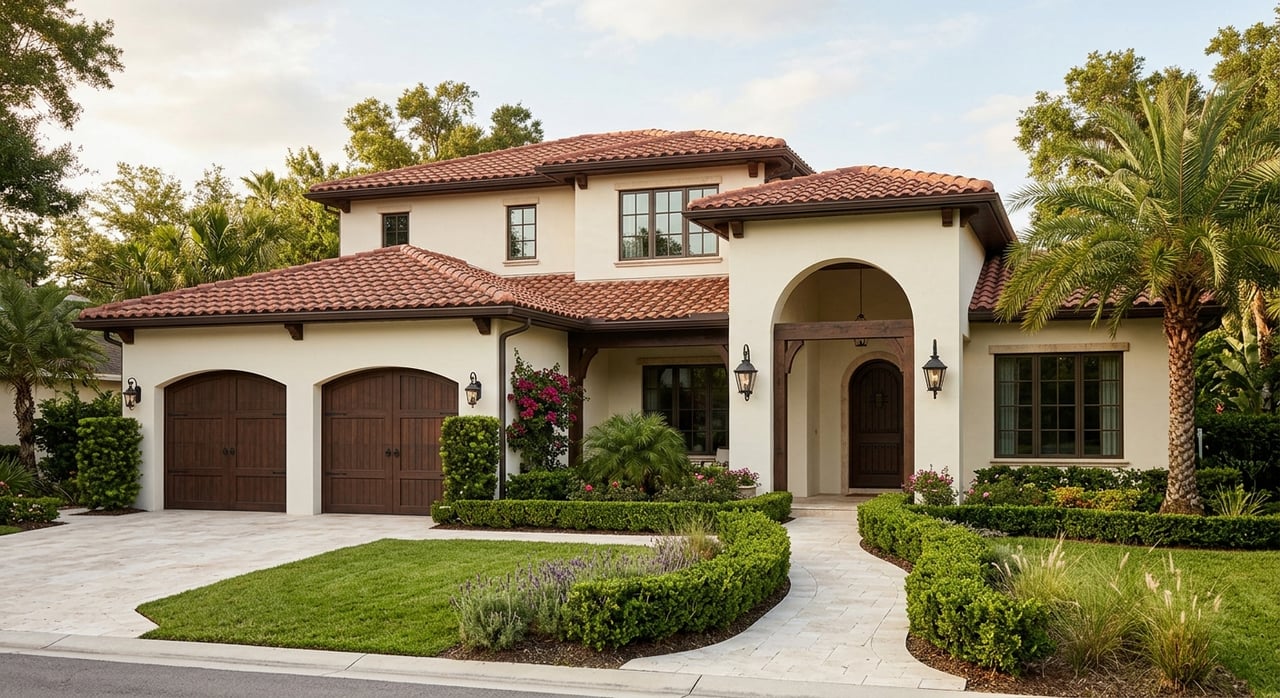
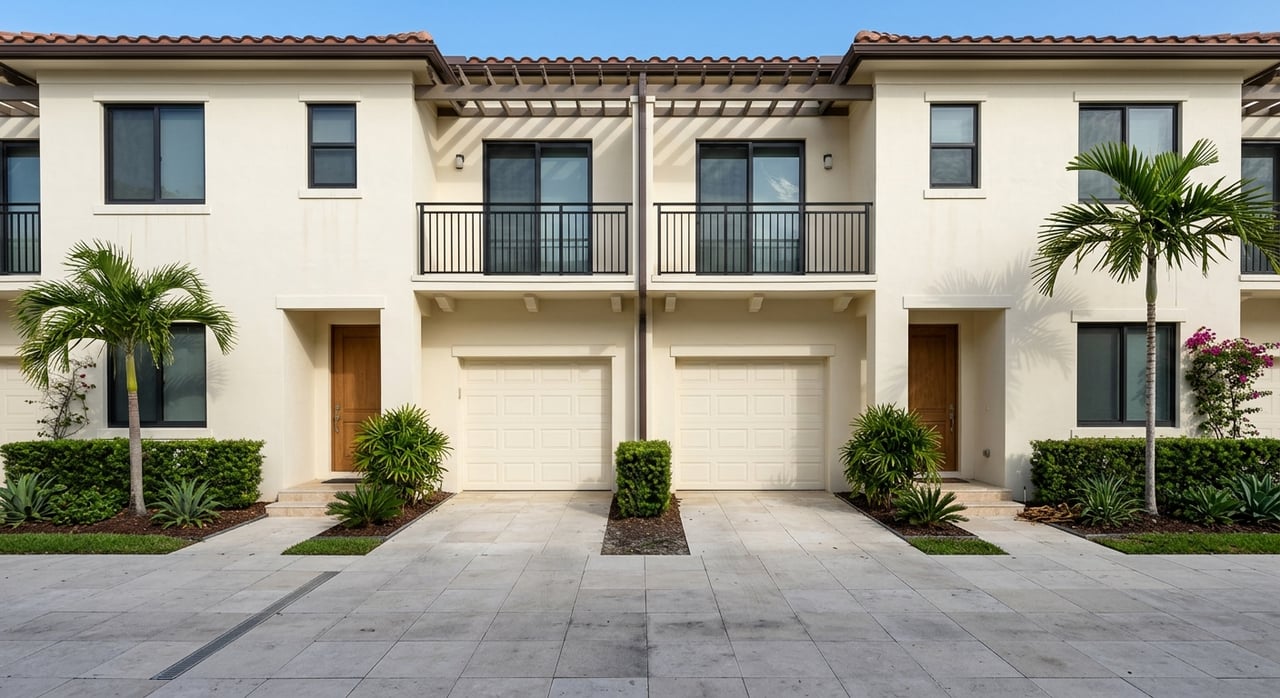
A townhome often feels more like a traditional home. Current Jupiter examples more often show one- or two-car garages, patios or balconies, paver driveways, and neighborhood amenities such as pools, clubhouses, fitness centers, and playgrounds.
That difference can shape how your home feels every day. Condos often feel more communal, while townhomes often offer more separation from neighbors and a more house-like layout.
Parking and Storage Matter More Near the Coast
In Jupiter, parking is not just a convenience issue. It can affect how easily you enjoy the lifestyle you moved here for.
Because some beach access points are private and free parking is limited to certain beach parks, features like assigned spaces, guest parking, garages, and extra storage can carry real value. If you own bikes, paddleboards, fishing gear, or beach equipment, a garage or dedicated storage area may quickly move from a nice bonus to a must-have.
When comparing homes, think beyond square footage. Ask yourself where you will keep your gear, how easy it will be to unload the car, and whether guest parking works for your routine.
Association Fees and Reserve Rules
Monthly fees are important, but what those fees support matters even more. In Florida, condo associations now face stricter reserve and inspection rules than most HOA townhome communities.
Under current law, residential condo associations must complete structural integrity reserve studies at least every 10 years for buildings that are three habitable stories or higher, and existing owner-controlled associations had to complete those studies by December 31, 2025. Florida’s milestone inspection law also applies to condo and cooperative buildings that are three habitable stories or more, with the first inspection due when the building reaches 30 years of age, and possibly 25 years in certain coastal conditions.
For HOA communities, reserve funding is generally elective unless members approve reserve accounts. That does not mean townhomes are automatically cheaper long term, but it does mean condo buyers often need to review more building-specific financial and structural information before making a decision.
Financing and Resale Can Look Different
Condo financing can involve more project-level review from lenders. Fannie Mae notes that condo project standards are designed to address risks tied to weak financial health, unresolved critical repairs, insufficient master property insurance, and significant litigation.
That matters not only when you buy, but also when you sell later. If a condo project has reserve issues, insurance concerns, or repair questions, future buyers may face added financing hurdles.
Townhome buyers should still do careful due diligence, especially on the HOA budget, rules, reserve funds, and insurance needs. But unless the townhome is legally a condominium, the financing review is often less focused on the entire project in the same way.
Which Option May Fit You Best
If you are deciding between the two, it helps to match the property type to your lifestyle instead of looking only at price. In Jupiter, the better choice often comes down to whether you value shared convenience more or private space more.
A condo may be the better fit if you want:
- Less exterior maintenance on your to-do list
- A lock-and-leave setup for travel or seasonal use
- Shared amenities such as a pool or clubhouse
- A simpler day-to-day lifestyle with more association support
A townhome may be the better fit if you want:
- A garage or more private parking
- More separation from neighbors
- A patio, balcony, or small yard feel
- A layout that feels more like a single-family home
Neither option is automatically better. The right fit depends on how you live, what you want to spend each month, and how comfortable you are with the association structure.
Six Things to Verify Before You Make an Offer
Before you move forward on any condo or townhome in Jupiter, make sure you verify the details that can affect both your monthly budget and future resale.
1. Legal classification
Confirm whether the property is legally a condominium or part of an HOA townhome community. This affects ownership, maintenance, financing, and document review.
2. Association maintenance responsibilities
Ask what the association covers and what you are responsible for. Do not rely on assumptions based on appearance alone.
3. Reserve funding and special assessments
Review the association’s budget, reserve funding, and any planned or recent special assessments. For older condo buildings, this step is especially important.
4. Parking and storage
Check assigned spaces, guest parking, garage access, and storage areas. In a beach-oriented town like Jupiter, these features can have a bigger impact than you expect.
5. Pet, rental, and guest rules
Read the rules carefully so they match how you plan to use the property. This is especially important if you travel often, have pets, or may want rental flexibility.
6. Building age and inspection requirements
If you are considering an older condo building, verify whether its age triggers current Florida inspection or reserve requirements. Those rules can materially affect ownership costs and resale appeal.
How to Make the Final Decision
If you are still torn, start with your daily routine. Think about whether you care more about low-maintenance living and amenities, or whether a garage, more privacy, and a more house-like setup would improve your life.
Then look closely at the documents, not just the photos. In Jupiter, the smartest choice is usually the one that fits both your lifestyle and the long-term financial picture of the community.
A thoughtful review now can save you stress later. If you want a clear, one-on-one conversation about condo and townhome options in Jupiter, Crystal Brooke Bachmann can help you compare homes, review the important questions, and move forward with confidence.
FAQs
What is the main difference between a condo and a townhome in Jupiter?
- In Jupiter, the key difference is often the legal ownership structure, not just the exterior style. A condo usually means you own a unit plus a share of common elements, while a townhome in an HOA community follows its recorded covenants and governing documents.
Are condos in Jupiter usually more expensive than townhomes?
- Recent market snapshots showed Jupiter condos with a median listing price of $560,000 and townhouses with a median listing price of $499,000. These are market snapshots, not a rule for every property.
Do Jupiter condos usually cover more maintenance than townhomes?
- Often, yes. Condo associations typically handle more common-element maintenance, while townhome HOA responsibilities depend on the community documents and should be verified carefully.
Why do parking and storage matter when choosing a home in Jupiter?
- Jupiter’s beach lifestyle makes parking and storage more practical than optional for many buyers. Assigned parking, garages, and extra storage can make it easier to manage beach gear and everyday coastal living.
Are older Jupiter condos subject to special Florida inspection rules?
- Yes, certain condo buildings that are three habitable stories or higher may be subject to milestone inspections and structural reserve study requirements based on age and current Florida law.
What should you review before buying a Jupiter condo or townhome?
- You should verify the legal classification, maintenance responsibilities, reserve funding, possible special assessments, parking and storage, pet and rental rules, and any age-related inspection or reserve requirements.