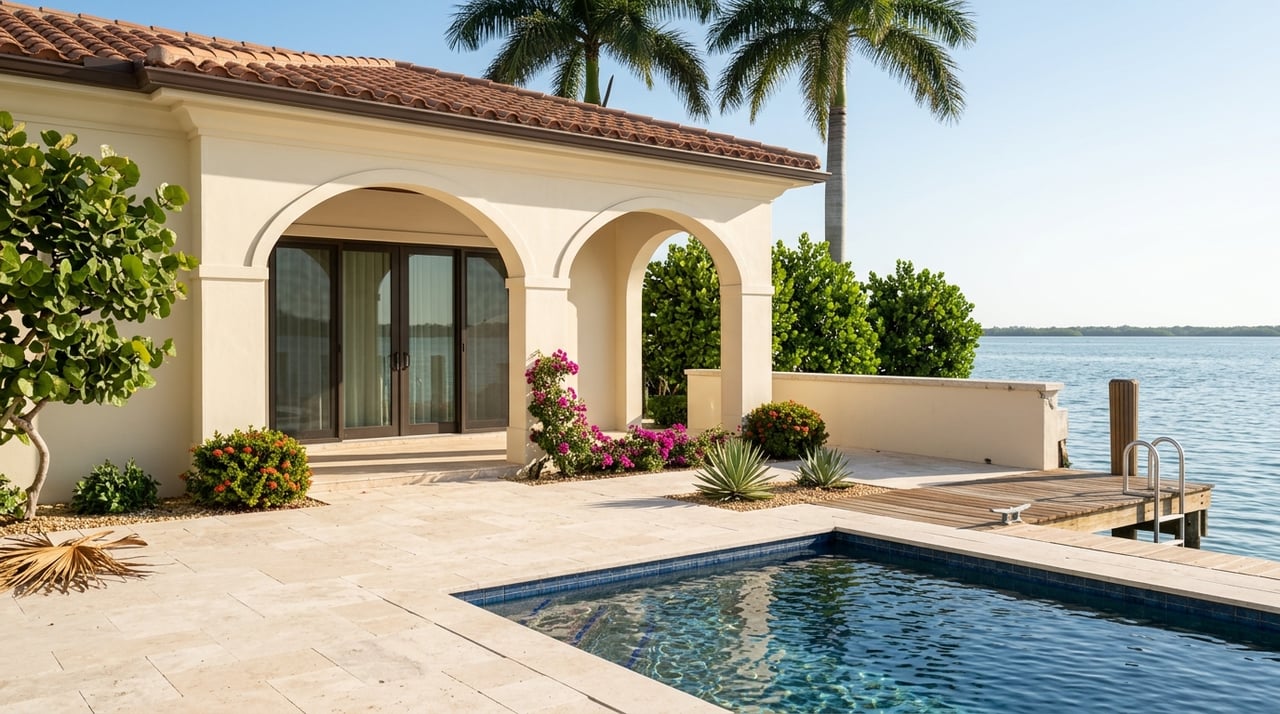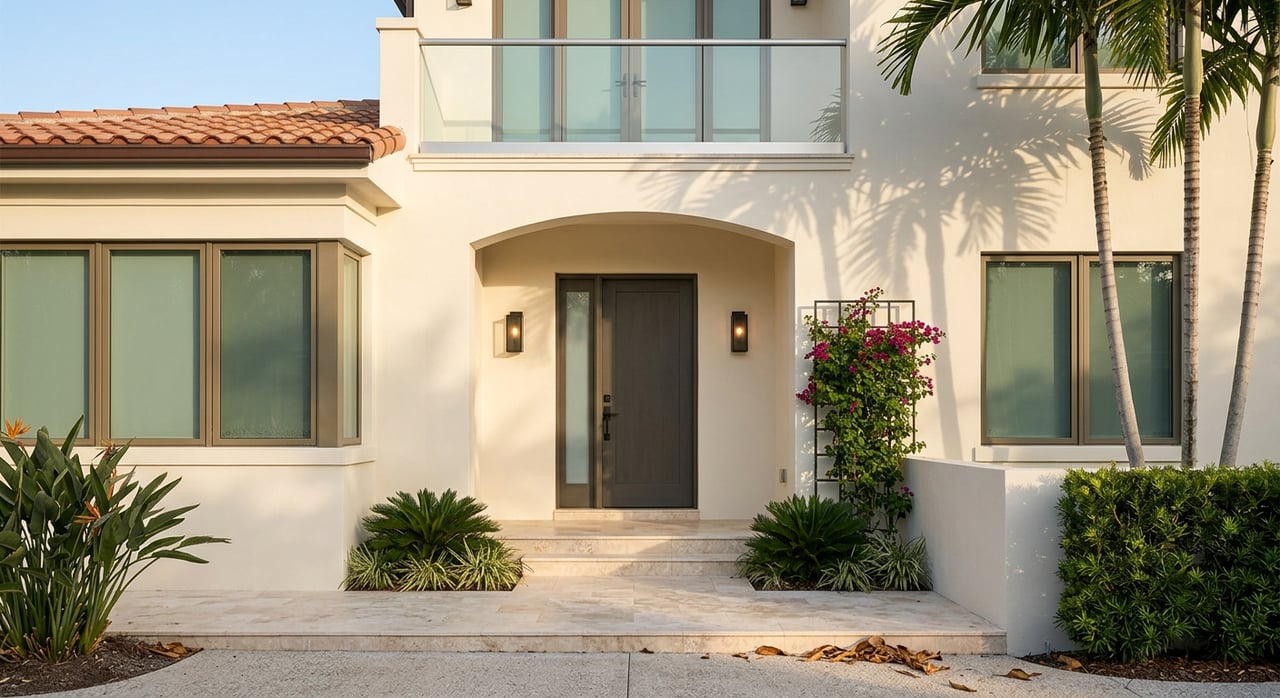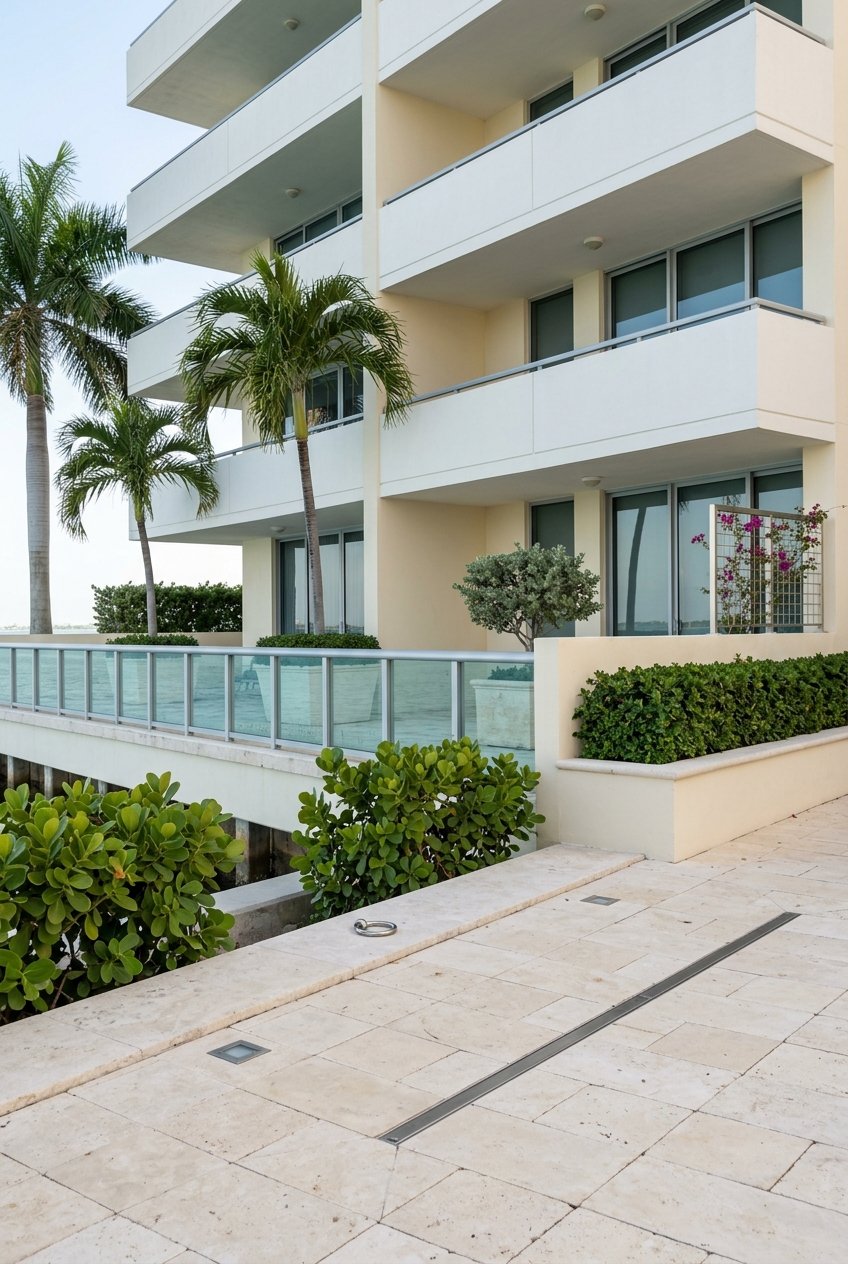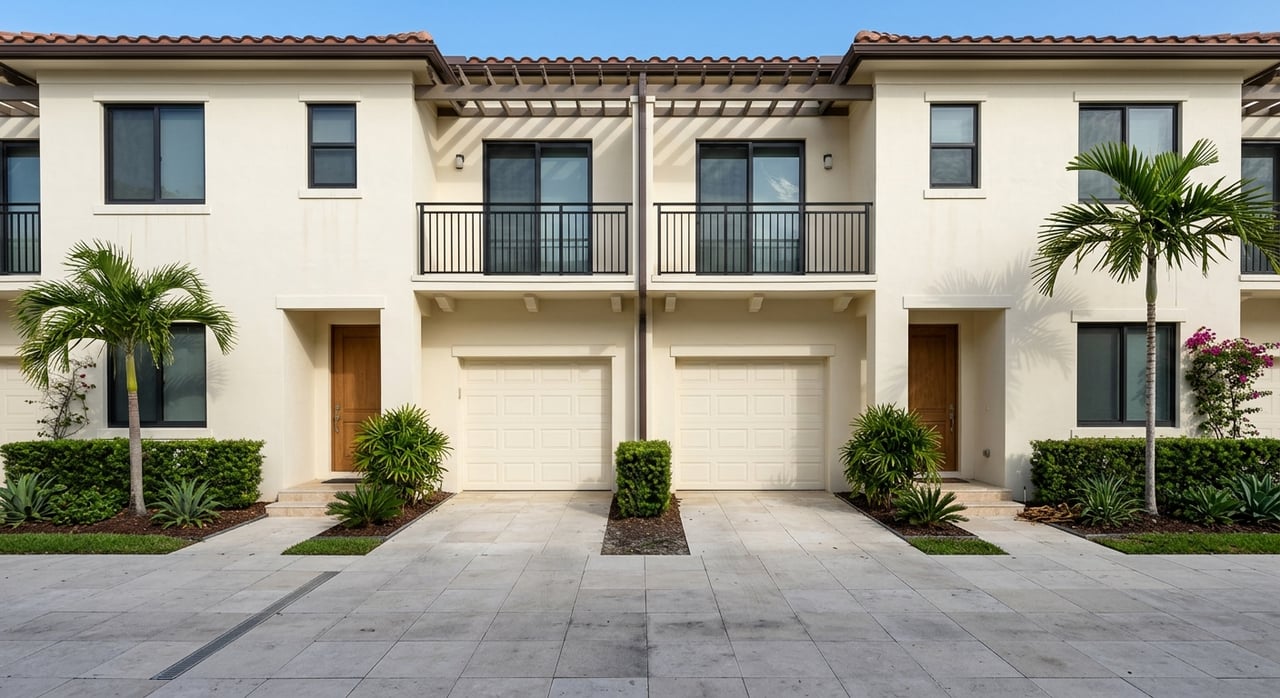
Trying to choose between a condo and a home in an HOA in Boca Raton? The rules, fees, reserves, and insurance can change your monthly costs and even your loan options. It can feel like a lot, especially if you are a first-time or move-up buyer. This guide breaks down what matters in Palm Beach County so you can buy confidently and avoid surprises. Let’s dive in.
Condo vs HOA: the basics
Ownership and maintenance
In a condominium, you typically own the inside of your unit and share ownership of common elements like roofs, elevators, and hallways. The association usually maintains the exterior and common systems, while you insure and maintain the interior. In an HOA community, you often own the structure and the lot. The association handles common areas and amenities, and exterior maintenance varies by the specific community documents.
Governance and enforcement
Both condos and HOAs are run by an elected board and governed by recorded documents like the Declaration, Bylaws, and Rules. In Florida, condos are covered by Chapter 718 and HOAs by Chapter 720 of the Florida Statutes. Both can levy assessments, fines, and liens when owners do not comply, but procedures and timelines differ by statute and by the community’s governing documents.
Insurance basics
Condominium master policies generally cover common elements and some limited interior components, while unit owners carry an HO-6 policy for interior improvements and personal property. HOA master policies typically cover shared areas and sometimes building exteriors if the CCRs say so. In coastal Palm Beach County, wind and flood coverage and deductibles are a big factor, so confirm who insures what and the deductible exposure you could face.
What fees include in Boca Raton
Condo assessments often bundle exterior maintenance, building insurance, reserves, water, trash, and sometimes cable or Internet. HOA fees can include landscaping, gate or security, pools, and common area care, with some communities also handling exterior maintenance and roofs. Fees vary widely based on building type, amenities, age, and what utilities are included. Always compare apples to apples by listing out what each fee covers before judging the monthly cost.
Reserves and special assessments
Reserve funds pay for big-ticket items like roofs, elevators, paving, and structural work. After the 2021 Surfside tragedy, reserve transparency and inspections in Florida drew more scrutiny, and many buyers now request recent reserve studies and current budgets as part of standard due diligence. Underfunded reserves can lead to special assessments that raise your costs. Ask directly about any pending or recently approved assessments and review how the association plans to fund upcoming projects.
Rules that affect lifestyle and resale
Boca Raton associations often set rules about rentals, pet limits, parking, and renovations. Leasing restrictions can include minimum lease terms, caps on rental percentages, or owner-occupancy requirements that affect income potential and financing. Renovations may need association approval, and some communities regulate flooring, windows, and balcony work. Check both the association rules and local city or county ordinances for short-term rentals, parking, and occupancy.
What to request in due diligence
Gathering the right documents early helps you evaluate risk and negotiate a stronger offer.
Core governing documents
- Declaration or Master Deed, Bylaws, Articles of Incorporation
- Rules and Regulations and any Architectural Guidelines
- Plat, survey, easements, and legal descriptions
Financial and insurance documents
- Current year operating budget and the last 2–3 years of financials
- Current balance sheet with reserve balances and owner receivables
- Most recent reserve study and any engineering or inspection reports
- Master policy declarations for insurance, including coverage limits and deductibles
- List of current assessments and delinquency statistics
Resale and status documents
- Estoppel or resale certificate showing assessment status and any fines
- Certificate of insurance required by lenders
- Required disclosures for the transaction
Operational and governance records
- Minutes of board and membership meetings for the last 12–24 months
- Notices about pending or approved special assessments with related bids
- Management agreement and major vendor contracts
- Litigation summary for pending or recent cases and insurance impacts
- Owner roster and rental or occupancy statistics
Physical and inspection items
- Building condition surveys, structural reports, and elevator records
- Pool inspections and recent capital project documents
- Hurricane shutter inventories and permitting records
Red flags to watch
- Low or no reserves, frequent emergency assessments, or sudden fee spikes
- High owner delinquency rates or significant unresolved litigation
- Insurance gaps or very high deductibles that shift costs to owners
- Short-term rental bans or strict leasing rules that conflict with your goals
Financing and closing impacts
Lender and project approval
Many loan programs require condo project approval and will review investor concentration, insurance, delinquency rates, and litigation. Start with your lender early to confirm the building or community qualifies for your loan type. If a project does not meet guidelines, you may need a different loan program or a different property.
Estoppel and assessments at closing
In Florida resales, the estoppel or resale certificate shows the seller’s balance and any pending assessments. Closing agents use this to settle accounts and determine if escrows or approvals are needed. The request can take time and may involve a fee, so build that into your contract timeline.
Contingencies and negotiation
Use contract contingencies to review association documents, verify financial health, and confirm project eligibility with your lender. When issues arise, consider negotiating seller credits, price adjustments, or escrow holdbacks. For older or larger buildings, ask for time to review engineering reports or to bring in specialists.
Boca Raton local factors
Flood and wind exposure
Parts of Boca Raton and Palm Beach County sit in flood-prone areas, so confirm flood zones and request elevation information where available. Windstorm insurance costs and higher deductibles can influence both association budgets and your personal coverage. Clarify how hurricane deductibles work and what portion you might be responsible for after a storm.
Building age and types
Boca Raton offers garden-style condos, mid-rise and high-rise buildings, plus master-planned HOA communities. Many buildings from the 1970s to 1990s are now tackling elevator, roof, and mechanical replacements. Ask about timing, funding, and whether contracts are awarded for upcoming work.
Local fees and amenities
Monthly assessments vary based on amenities, services, and whether utilities are included. Older, smaller buildings may have lower fees but offer fewer services. Newer luxury buildings often include extensive amenities, which raises assessments but can add convenience and lifestyle value.
How your agent helps you buy smart
A local, hands-on agent can simplify complex association decisions. Your agent can request and organize the full document set, highlight the key budget and reserve items, and coordinate early lender review of project eligibility. They can align your goals with the rules on leasing, pets, parking, and renovations, then structure your offer with the right contingencies and timelines. If risks appear, your agent can help you negotiate credits, price adjustments, or escrow for potential assessments.
Ready to compare specific Boca Raton buildings or HOA communities and move forward with confidence? Reach out to Crystal Brooke Bachmann for a concierge, one-on-one advisory experience.
FAQs
What is the main difference between a condo association and an HOA in Florida?
- Condos typically own and maintain common elements with owners responsible for interiors, while HOAs govern planned communities where owners often own the structure and lot and the association maintains shared areas.
How do reserves and special assessments affect my condo or HOA purchase?
- Strong reserves reduce the chance of large special assessments, while underfunded reserves raise risk and can impact your monthly costs and resale.
What documents should I review before buying in Boca Raton?
- Request the declaration, bylaws, rules, budgets, reserve study, insurance certificates, meeting minutes, litigation history, and the estoppel or resale certificate.
How can association rules impact rental income and resale value?
- Leasing caps, minimum lease terms, or owner-occupancy rules can limit rental options and affect buyer demand and financing eligibility.
Will my lender need to approve the condo building?
- Many lenders require project approval and will review insurance, reserves, investor ratios, delinquencies, and litigation before granting a condo loan.
What insurance details should I confirm in Palm Beach County?
- Clarify what the master policy covers, the wind and flood deductibles, and the owner’s walls-in responsibilities so you can budget for coverage and storm risk.