Thinking about moving from a condo, townhome, or smaller house into a single-family home in Palm Beach Gardens? You are not alone, and the jump is often bigger than many buyers expect. In this market, the move-up decision is about more than square footage. It is also about price range, HOA rules, insurance costs, and choosing the right fit for your lifestyle. This guide will help you understand what to expect so you can move forward with more clarity and confidence. Let’s dive in.
Why Palm Beach Gardens Appeals to Move-Up Buyers
Palm Beach Gardens was planned with recreation, greenery, and long-term quality of life in mind. The city describes itself as a garden city with tree-lined streets, waterways, and land-development rules designed to guide growth and protect the community experience.
That planning shows up in daily life. The city maintains 17 public parks across more than 300 acres, along with amenities like trails, tennis, pickleball, and the Aquatic Complex. If you want more room at home without giving up access to outdoor activities, Palm Beach Gardens offers a strong move-up setting.
What the Price Jump Looks Like
One of the biggest realities of moving up in Palm Beach Gardens is the price shift into the single-family market. Based on the latest local snapshot from Redfin, the median sale price for a single-family home is $1,059,461.
That compares with $387,353 for condo and co-op properties and $425,084 for townhomes. If you are moving from a condo or townhome, the increase is not just about getting more bedrooms or a yard. You are often moving into a much higher price band altogether.
What the Market Pace Means for You
Palm Beach Gardens is currently described as a market that is not very competitive. In the same Redfin snapshot, homes receive about one offer on average and stay on the market for about 84 days.
For move-up buyers, that can create breathing room. You may have more time to compare homes, review community rules, and think through your monthly payment carefully. That said, the right home in the right setting can still attract attention, so preparation matters.
What Single-Family Homes Look Like Here
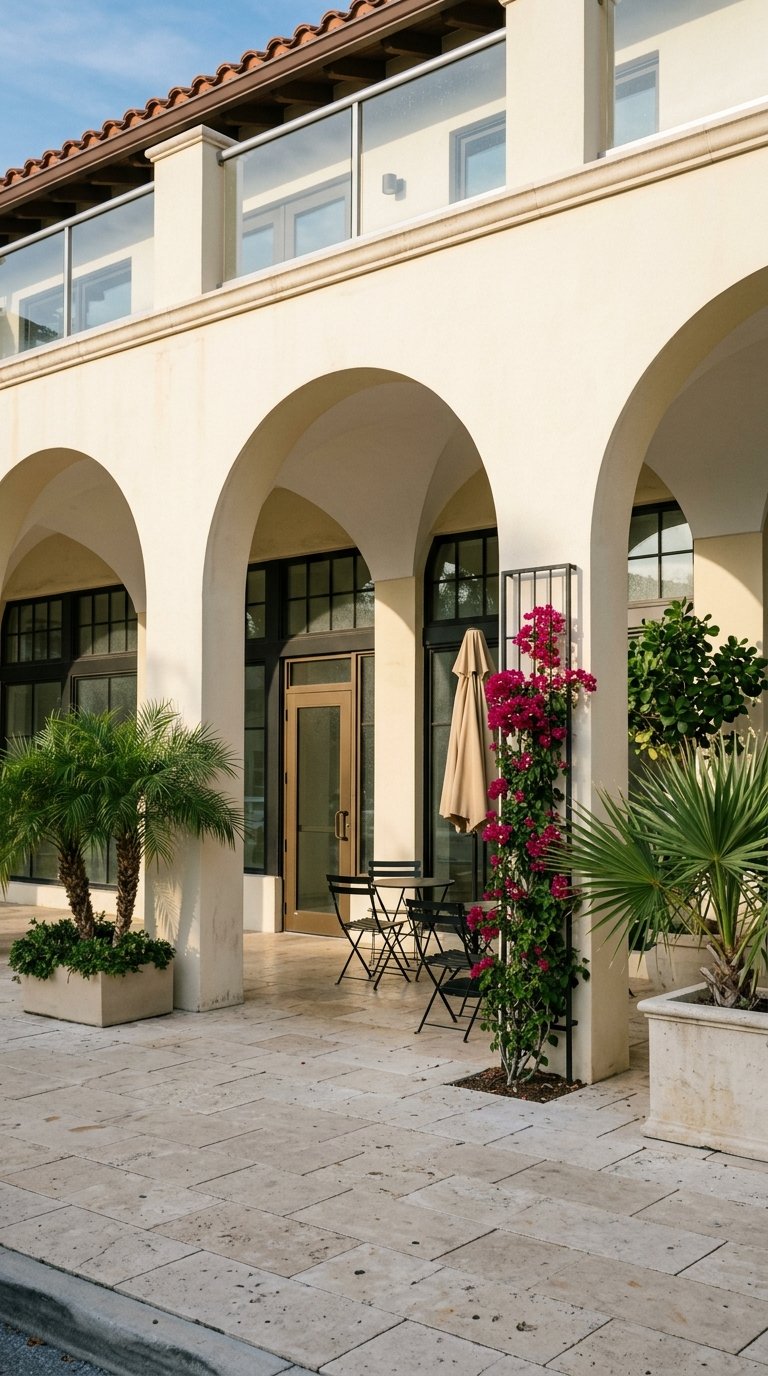
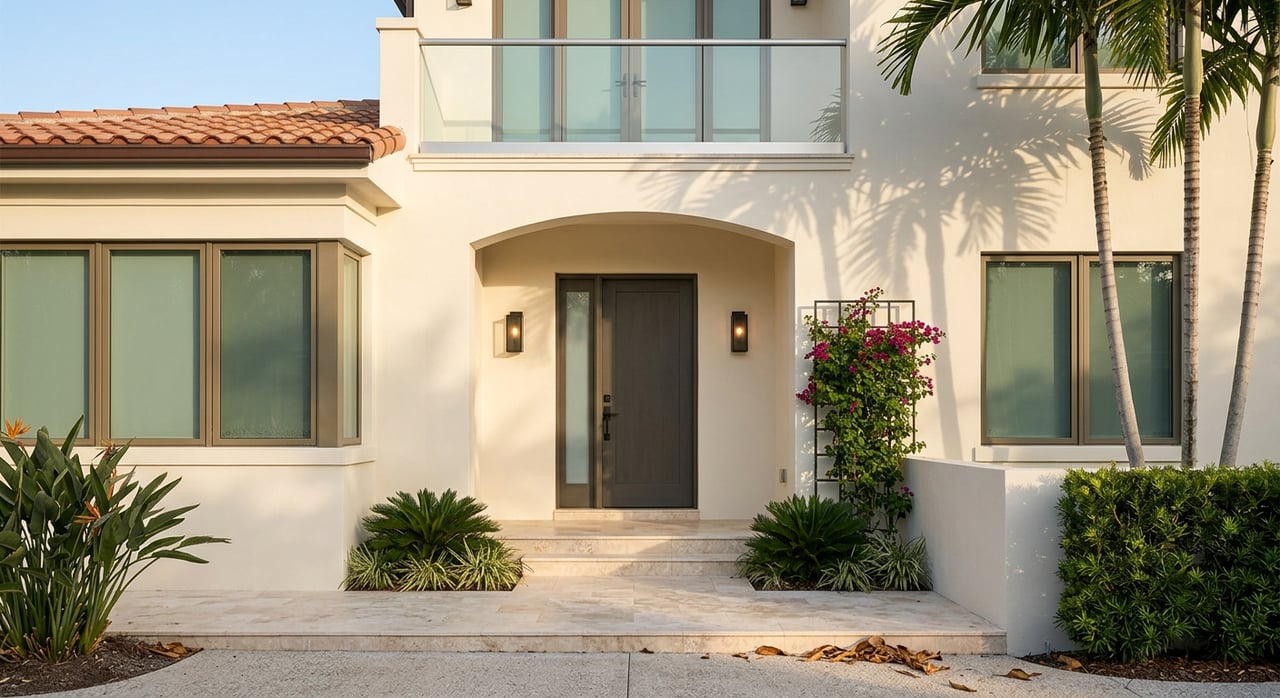
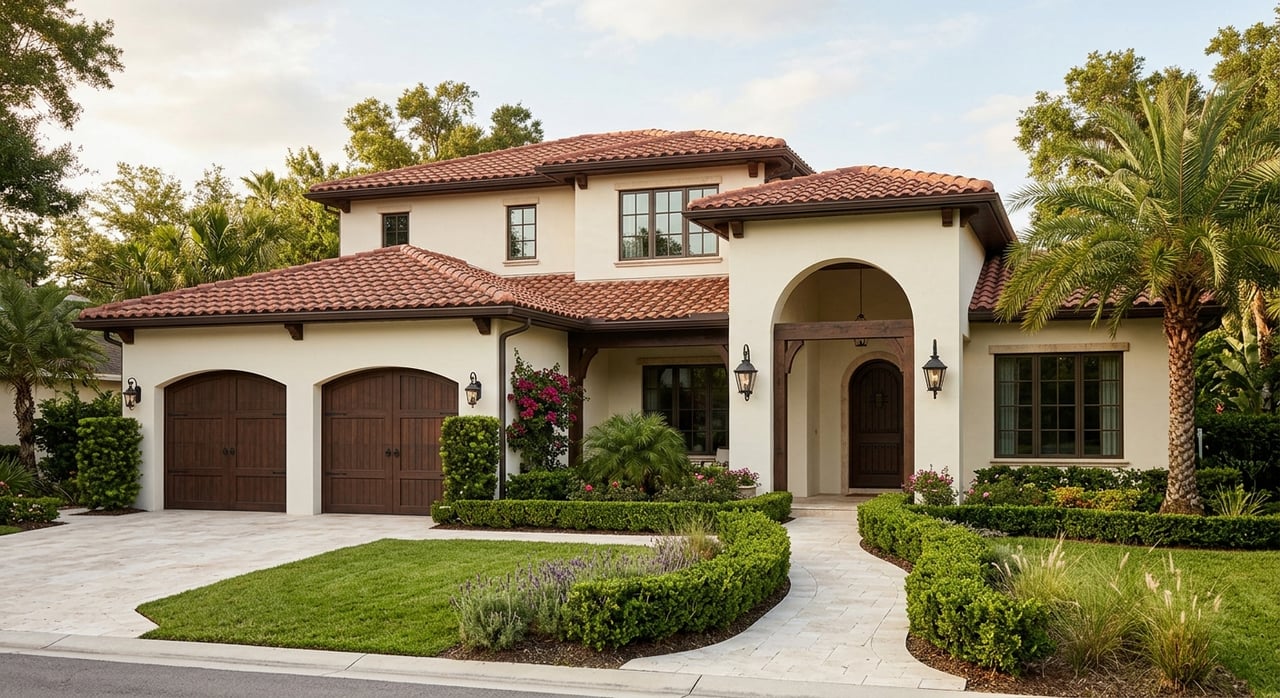
Single-family inventory in Palm Beach Gardens does not follow one single formula. Current listings show a mix of ranch-style and Mediterranean-style homes, along with one-story layouts and larger multi-bedroom properties.
Home sizes in the active market range from about 1,500 square feet to more than 4,000 square feet. That means your search is often less about finding one specific architectural style and more about choosing the right community, lot setting, and amenity package.
Amenities That Often Shape Value
In Palm Beach Gardens, the house is only part of the value story. Current listings often highlight features such as:
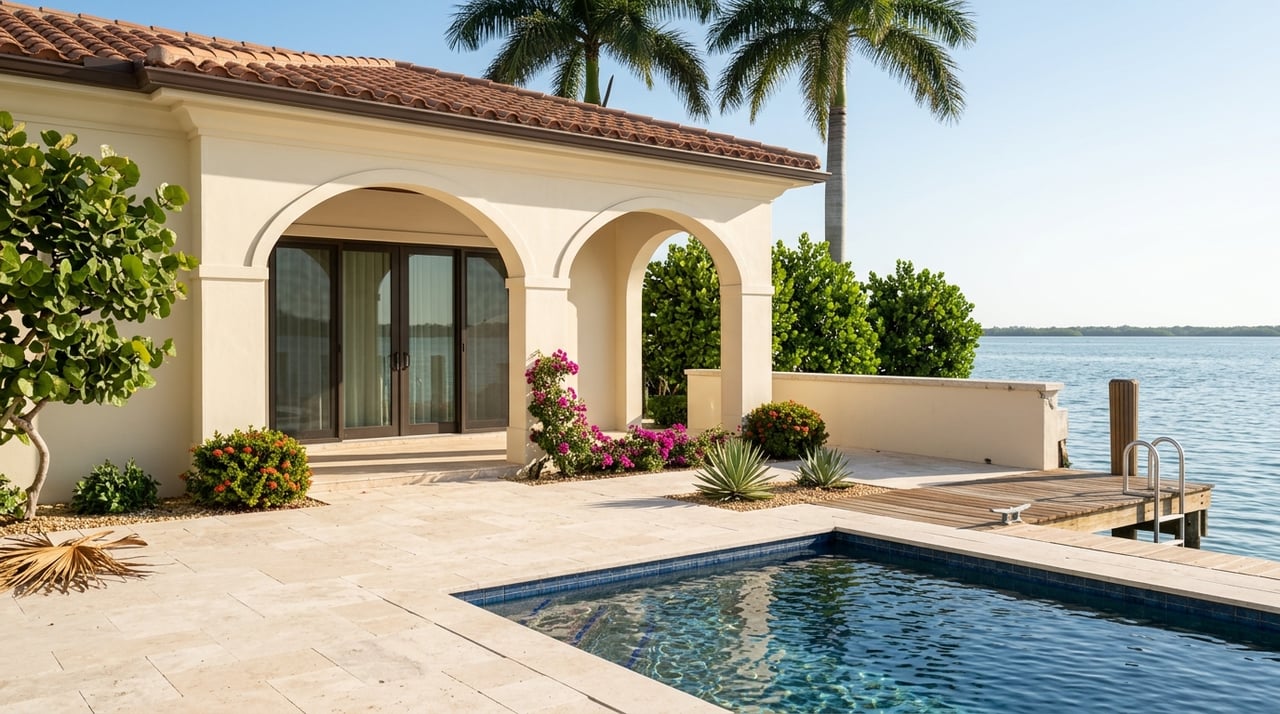
- Private pools
- Lakefront settings
- Gated community access
- Fitness centers
- Tennis courts
For many move-up buyers, that combination matters just as much as the home itself. You may be paying for a fuller lifestyle package, not just a larger floor plan.
Budget for the Full Monthly Payment
Before you shop seriously, it helps to define what “comfortable” really means for your budget. Your total monthly housing cost can include more than the mortgage alone.
According to CFPB guidance, your monthly payment may include principal and interest, property taxes, mortgage insurance, homeowner’s insurance, supplementary insurance like flood insurance, and HOA fees. In South Florida, insurance and HOA costs can significantly affect affordability, especially when you move into a larger home or a community with added amenities.
Costs to review early
As you plan your move-up purchase, make sure you account for:
- Mortgage principal and interest
- Property taxes
- Homeowner’s insurance
- Flood insurance, if applicable
- HOA dues
- Mortgage insurance, if required
- Maintenance for a pool, larger yard, or older systems
A bigger home can feel very manageable on paper until these added costs are included. Reviewing the full picture early helps you avoid surprises later.
Start With Preapproval and Smart Contingencies
A move-up purchase usually works best when you know your financing position before you fall in love with a property. Starting with a mortgage preapproval gives you a realistic budget and makes your offer stronger.
It is also wise to structure your offer with financing and inspection contingencies. CFPB guidance notes that these contingencies can protect you if financing falls through or if an inspection reveals serious issues.
Why contingencies matter
For a move-up buyer, contingencies can help you:
- Protect your deposit if financing cannot be finalized
- Investigate the condition of the home before moving forward
- Create room to evaluate repair concerns
- Reduce pressure during a high-cost purchase
In a major purchase, protection is not a luxury. It is part of making a sound decision.
If You Need to Sell Before You Buy
Many move-up buyers need proceeds from their current home to purchase the next one. That can make timing one of the biggest challenges in the process.
A home-sale contingency is one option. Freddie Mac notes that this type of contingency can allow the contract to be voided and earnest money returned if your current home does not sell within the agreed period. From a seller’s point of view, though, it adds uncertainty, so it may make your offer less attractive.
Another possibility is a bridge or swing loan. Research cited here notes that lenders may require documentation showing that you can carry your current home, the new home, the bridge loan, and other obligations at the same time.
Questions to ask yourself
If you need to sell first, think through:
- Do you need sale proceeds for the down payment?
- How market-ready is your current home today?
- How much carrying cost can you handle if timelines overlap?
- Would a contingent offer fit your comfort level?
This is where hands-on planning can make the move feel much more manageable.
HOA Rules Need Attention Before You Sign
In Palm Beach Gardens, many single-family homes are located in HOA communities. That means HOA review is not something to leave for later.
Under Florida law, a prospective buyer must receive the HOA disclosure summary before signing the contract. If that summary was not provided before contract execution, the buyer can void the contract within three days after receiving it or before closing, whichever comes first.
That timeline makes HOA due diligence a front-end issue. You want to understand the rules, costs, and approval processes before you commit.
Key HOA questions to ask
Before writing an offer, ask for clarity on:
- Current monthly or quarterly dues
- Dues history
- Reserve funding status
- Pending or recent special assessments
- Exterior modification rules
- Approval requirements for improvements
- Any known violations tied to the property
Florida law also says an association’s architectural review authority must be supported by the declaration or published guidelines. If an exterior request is denied, the association must identify the specific rule or covenant involved and the exact nonconforming element.
That matters if you hope to add or update features later. If you are considering impact windows, doors, or storm shutters, Florida law also provides protections for certain hurricane-protection upgrades when they meet the board’s specifications.
Review HOA Budgets and Reserve Health
Beyond dues, the community’s finances deserve a close look. Florida HOA budgets may include reserve accounts for capital expenditures and deferred maintenance.
The financial report must also warn when reserve funding is not fully provided and special assessments may result. For move-up buyers, that means a home with attractive dues today could still carry future cost risk if reserves are underfunded.
A careful review of reserves, assessments, and budget history can tell you a lot about the financial health of the community.
School Assignment Should Be Verified by Address
If school access is part of your move-up plan, verify it by the property address rather than relying on assumptions. Palm Beach County School District provides attendance-boundary maps, school-assignment information, a Find My School tool, and a reassignment process for eligible situations.
This step matters because school assignment can vary by address, even within the same broader area. It is one of the easiest details to confirm early, and one of the most important to get right for your planning.
Ask About Flood Risk Early
Flood and disaster risk should come up early in your search, especially in South Florida. Standard homeowner’s insurance usually does not cover flood damage.
CFPB guidance notes that buyers should ask whether the property is in or near a FEMA flood zone and whether there is a history of prior damage or insurance claims. Sellers must also inform the new owner when flood insurance must be maintained, and the new owner may pay a different flood-insurance price than the current owner.
This is not a detail to save for the end. It can affect both your monthly payment and your comfort with the property.
What Closing Still Includes
Even after your offer is accepted, there are several steps between contract and closing. CFPB says buyers should expect additional lender document requests, a home inspection, homeowner’s insurance, title insurance, and careful review of closing documents.
For move-up buyers, this stage often overlaps with the logistics of selling, packing, and coordinating timelines. Staying organized and responsive can help keep everything moving smoothly.
A Practical Move-Up Plan
If you are preparing for a single-family move-up purchase in Palm Beach Gardens, this simple order can help:
- Define your full monthly budget, including insurance and HOA costs.
- Get preapproved before touring seriously.
- Decide whether you need to sell first.
- Narrow your search by community type, lot setting, and amenities.
- Verify school assignment by address if relevant to your plans.
- Review flood risk and insurance needs early.
- Read HOA disclosures and financials before committing.
- Use financing and inspection contingencies thoughtfully.
A move-up purchase is a big step, but it does not have to feel overwhelming. When you understand the numbers, the community rules, and the timing factors, you can make decisions with much more confidence.
If you are thinking about your next move in Palm Beach Gardens, working with a responsive local advisor can help you sort through trade-offs, timing, and neighborhood options with less stress. For one-on-one guidance tailored to your goals, connect with Crystal Brooke Bachmann.
FAQs
What is the median single-family home price in Palm Beach Gardens?
- The latest local market snapshot in the research report puts the median single-family sale price at $1,059,461.
How does a Palm Beach Gardens single-family home compare to condos or townhomes?
- The research report shows a much higher price band for single-family homes, with condos and co-ops at $387,353 and townhomes at $425,084 in the same snapshot.
What HOA documents should Palm Beach Gardens buyers review before signing?
- Buyers should review the HOA disclosure summary, dues history, reserve funding status, pending or recent special assessments, and any architectural or approval rules that may affect the property.
How long are homes taking to sell in Palm Beach Gardens?
- In the research report’s Redfin snapshot, homes in Palm Beach Gardens stay on the market for about 84 days on average.
Why should Palm Beach Gardens buyers ask about flood insurance early?
- Standard homeowner’s insurance usually does not cover flood damage, and flood zone location or prior damage history can affect both your risk and your monthly housing cost.
How should buyers verify school assignment for a Palm Beach Gardens home?
- Buyers should verify school assignment by the specific property address using Palm Beach County School District tools and boundary information, rather than relying on general area assumptions.