Trying to choose between Palm Beach oceanfront and Intracoastal homes? It sounds simple until you realize the two can deliver very different daily routines, upkeep demands, and buying budgets, even on the same island. If you are weighing a beach-first lifestyle against a boating-first one, this guide will help you compare the trade-offs clearly and confidently. Let’s dive in.
Why the Location Feels So Different
Palm Beach sits on a barrier island between the Atlantic Ocean and Lake Worth Lagoon, also known as the Intracoastal Waterway. Palm Beach County describes the lagoon as the county’s largest estuary, stretching 20 miles and mixing ocean water with freshwater from canals through two inlets.
That geography shapes how each side of the island lives. On the east side, oceanfront homes are tied to direct beach access and open-water views. On the west side, Intracoastal homes are tied to lagoon views, boating activity, and a more sheltered waterfront setting.
Oceanfront vs Intracoastal at a Glance
If you want the simplest breakdown, think of oceanfront as beach-first and Intracoastal as boat-first. That is not a hard rule, but it is a practical way to understand how most buyers compare the two.
Oceanfront properties usually appeal to buyers who want to step into a shoreline routine. Intracoastal properties usually appeal to buyers who picture dock access, marina convenience, and time spent on the waterway.
What Oceanfront Homes Offer
Oceanfront homes in Palm Beach are oriented toward the Atlantic. The biggest draw is usually direct beach access paired with broad, open-coast views that feel dramatic and immediate.
If your ideal day starts with a walk on the sand or ends with listening to the surf, this side of the island may feel like the better match. For many buyers, the appeal is less about boating logistics and more about the experience of living beside the beach itself.
Best Fit for Beach-Centered Living
Oceanfront ownership often works best if your top priorities are:
- Direct beach access
- Open-ocean views
- A strong coastal feel
- A routine built around the shoreline
That lifestyle can be hard to replicate elsewhere. Even homes a short drive away can feel very different if they do not sit directly on the Atlantic side.
What Intracoastal Homes Offer
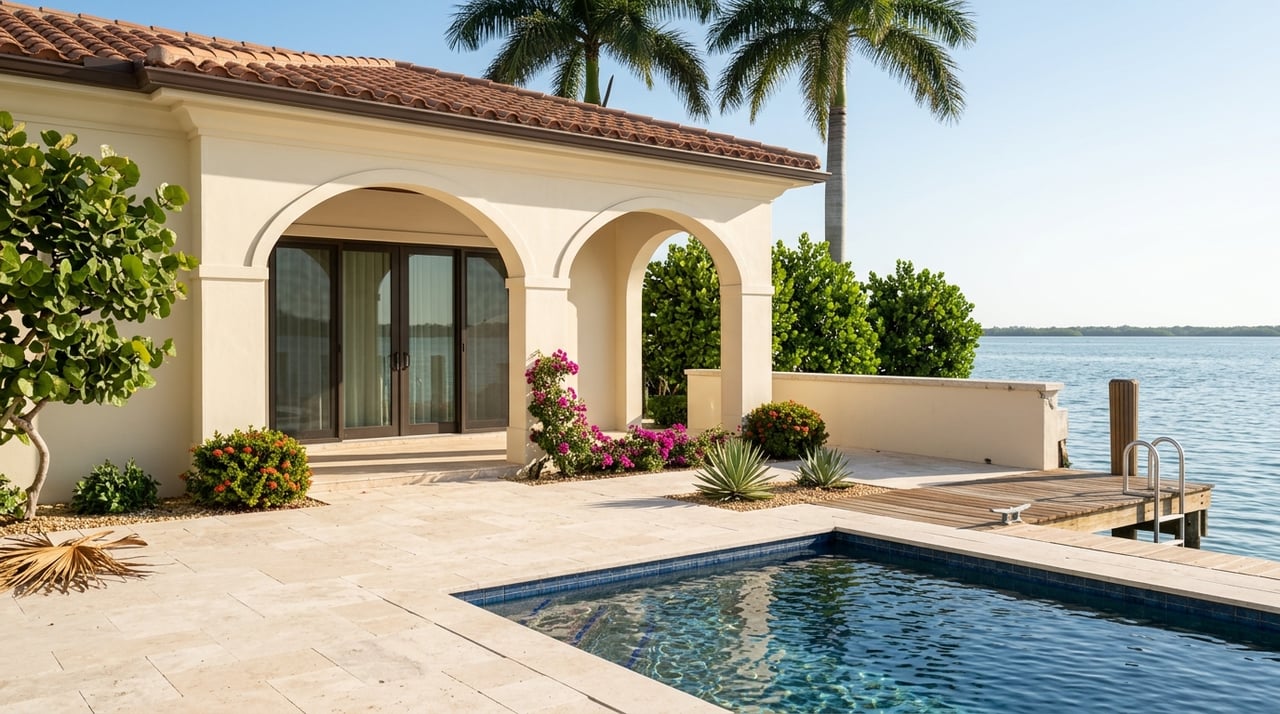
Intracoastal homes face Lake Worth Lagoon and the Intracoastal Waterway. These properties are usually better aligned with buyers who want a boating base, dock-focused living, or a more active connection to the waterway itself.
The west side of the island has a strong practical advantage for boaters. The Town of Palm Beach Marina sits on the Intracoastal Waterway, offers 84 slips, and is within walking distance of Worth Avenue.
Best Fit for Boating Convenience
If you expect regular boat use, the Intracoastal side often makes more sense. The town marina has bridge access and can accommodate vessels from 60 to 295 feet, which reinforces why many buyers see this side of the island as the more natural fit for dockage and marina access.
Intracoastal living is also connected to a broader estuary environment. Palm Beach County notes that the lagoon supports recreation, transportation, employment, coastal protection, and habitat, so the setting is more than just a backdrop.
Lifestyle Questions to Ask Yourself
Before you compare individual homes, it helps to get honest about how you want to use the property. A beautiful waterfront address can still feel wrong if it does not match your routine.
Ask yourself:
- Do you want to walk onto the beach or onto a dock?
- Will you use a boat often enough to make dock access important?
- Do you picture a quieter lagoon setting or direct Atlantic exposure?
- Is your ideal waterfront experience centered on sand, surf, and ocean views, or on marina life and boating convenience?
Your answers will usually point you in the right direction faster than square footage alone.
Maintenance and Storm Exposure Matter
Waterfront lifestyle is only part of the decision. Ownership costs, storm-readiness, and day-to-day maintenance can feel very different depending on which side you choose.
Oceanfront homes face the highest direct exposure to open-coast hazards. NOAA notes that storm surge can cause severe coastal flooding, beach and dune erosion, and damage to roads and bridges.
Palm Beach flood findings also note that open-coast communities in the county are subject to tidal surge flooding. Those effects can be compounded when rising water levels also affect Lake Worth and the Intracoastal Waterway.
Oceanfront Maintenance Considerations
With oceanfront property, the attraction of direct Atlantic frontage comes with more direct exposure. Buyers should be prepared to look closely at flood-readiness, insurance considerations, and ongoing exterior maintenance.
There is one cost consideration worth noting. The Town of Palm Beach is a Class 6 National Flood Insurance Program Community Rating System community, which gives NFIP policyholders a 20% annual flood insurance discount.
Intracoastal Upkeep Considerations
Intracoastal homes may avoid some of the direct open-coast exposure, but they bring their own planning issues. Floodplain development is regulated, and Palm Beach County states that no construction, including moving earth, is legal in a floodplain without a permit.
On the lagoon side, buyers may also need to think more about seawalls, shoreline conditions, runoff, and water-quality-related regulations. If you plan future improvements, it is smart to expect permitting and site-specific review.
Oceanfront Lighting Rules Are Real
One of the more specific differences on the ocean side involves beachfront lighting. Palm Beach County states that artificial lighting visible from the beach can disorient sea turtles and requires permits for lights in designated sea turtle protection zones.
The town also requires oceanfront property owners to shield, redirect, or turn off lights visible from the beach from March 1 through October 31. For buyers, this is more than a small technical detail. It affects how you use and manage the property at night.
Renovation Rules Can Shape Your Plans
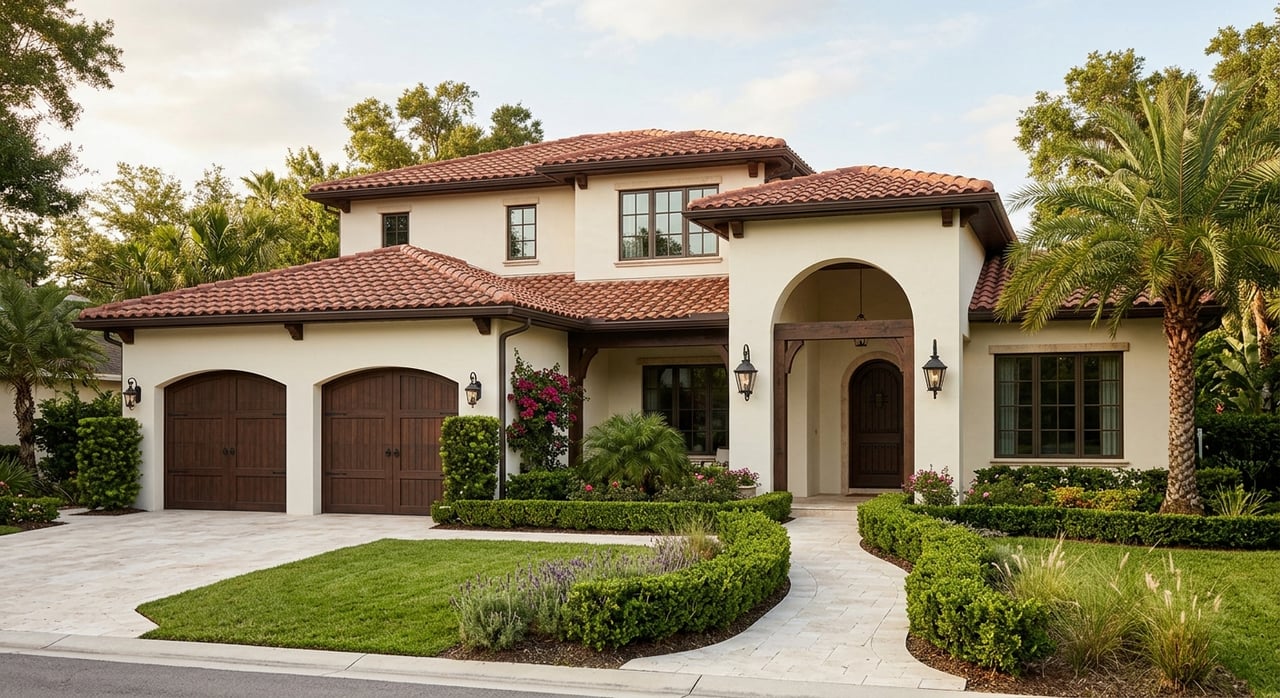
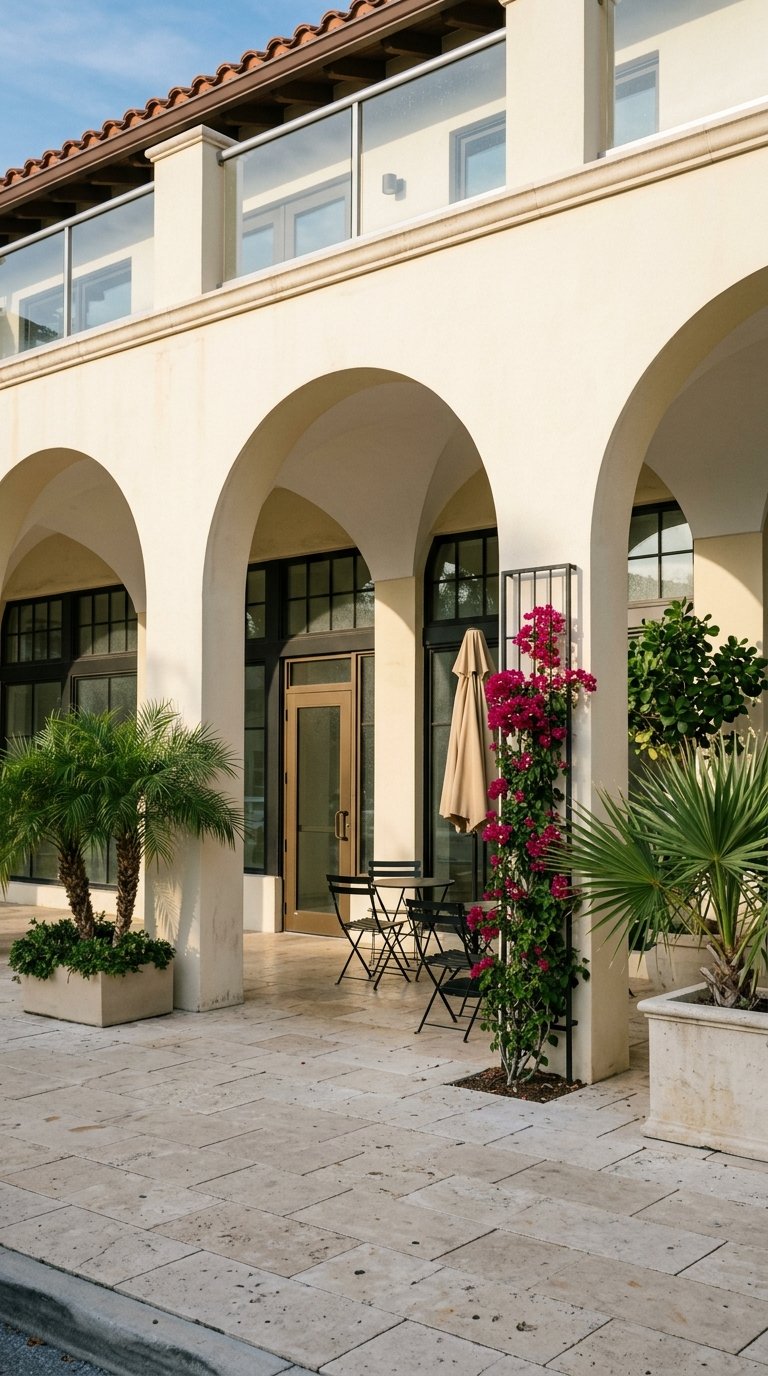
Palm Beach has a distinct architectural identity, with Mediterranean Revival playing a major role in the town’s heritage. The island also includes Modern and contemporary homes, but in either case, design review may matter more than buyers expect.
The Town of Palm Beach has a formal review structure for visible exterior changes. ARCOM reviews visible exterior modifications, and the Landmarks Preservation Commission reviews landmarked properties.
The town also states that more than 328 landmark properties, sites, and vistas are protected under its Historic Preservation Ordinance. If you are buying waterfront with renovation plans in mind, it is important to understand that changes to windows, additions, and other visible features may require review.
Budget Can Narrow the Choice
Lifestyle matters, but budget matters too. Palm Beach is a high-price micro-market, and that can influence whether oceanfront or Intracoastal homes are realistic options.
Zillow reported a March 2026 median sale price of $2.48 million for Palm Beach. By comparison, Florida Realtors and MIAMI REALTORS reported March 2026 median sale prices of $645,000 for Palm Beach County single-family homes and $330,000 for county condos and townhomes.
That does not mean every waterfront home fits a single pricing pattern. It does mean your waterfront decision is often tied closely to what you want, what upkeep you can support, and what price point you are comfortable pursuing.
How to Decide Which Side Fits You
If you are still torn, focus on the daily experience first and the property details second. Waterfront buyers are often happiest when the home supports how they actually want to live.
Oceanfront may be the better fit if you want:
- Direct beach access
- Open Atlantic views
- A strong coastal atmosphere
- A shoreline-centered routine
Intracoastal may be the better fit if you want:
- Dockage or marina access
- Easier alignment with boating
- A lagoon-facing setting
- A waterway-centered routine
In both cases, the smartest next step is to evaluate each property through the lens of flood-readiness, maintenance, permitting, and long-term usability. Those factors often matter just as much as the view.
If you want help comparing Palm Beach waterfront options in a practical, property-by-property way, Crystal Brooke Bachmann offers one-on-one guidance with a high-touch, local approach.
FAQs
What is the main difference between Palm Beach oceanfront and Intracoastal homes?
- Oceanfront homes are on the Atlantic side and are usually oriented toward direct beach access and open-ocean views, while Intracoastal homes face Lake Worth Lagoon and are usually oriented toward boating, dockage, and marina access.
Are Intracoastal homes in Palm Beach better for boating?
- In many cases, yes. The Intracoastal side is more closely tied to dock life and marina use, and the Town of Palm Beach Marina is located on the Intracoastal Waterway.
Do Palm Beach oceanfront homes have special lighting rules?
- Yes. The town requires oceanfront property owners to shield, redirect, or turn off lights visible from the beach from March 1 through October 31 to help protect sea turtles.
Do Palm Beach waterfront homes face floodplain permitting rules?
- Yes. Palm Beach County states that development in the 100-year floodplain requires permitting, and no construction, including moving earth, is legal in a floodplain without a permit.
Can renovation rules affect Palm Beach waterfront homes?
- Yes. Visible exterior modifications may be reviewed by ARCOM, and landmarked properties may also be reviewed by the Landmarks Preservation Commission.
Is Palm Beach more expensive than the broader county market?
- Yes. Zillow reported a March 2026 median sale price of $2.48 million for Palm Beach, which is much higher than the March 2026 county median sale prices reported for single-family homes, condos, and townhomes.